
- This topic is empty.
-
AuthorPosts
-
2026-01-14 at 6:16 pm #11221
Introduction to Precision Gear Shafts
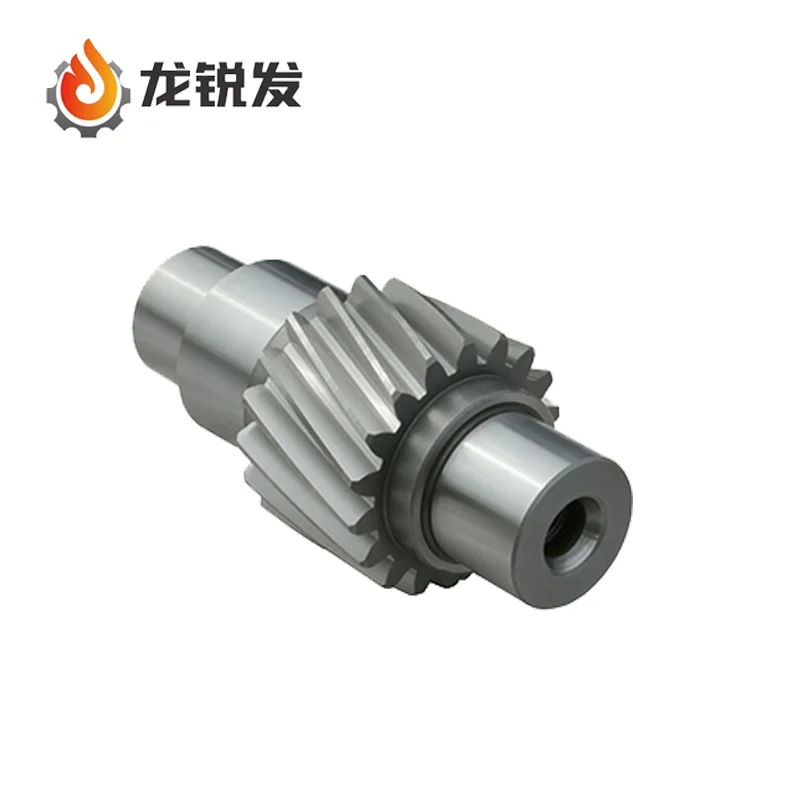
Precision gear shafts play a critical role in many mechanical systems, providing the necessary link between gears for the transmission of torque and motion. These components are often used in industries ranging from automotive to aerospace, where accuracy and durability are paramount. The manufacturing process for precision gear shafts involves various techniques that ensure high-performance and long-lasting results. In this blog post, Longruifa, a high performance custom industrial gear manufacturing factory, will share the importance of precision gear shaft solutions, the factors influencing their performance, and the best practices for manufacturing high-quality gear shafts.
The Importance of Precision in Gear Shaft Manufacturing
Precision is a cornerstone of high-quality gear shafts. Any deviation in the size, shape, or surface finish can lead to mechanical failures or inefficiencies in power transmission. Gear shafts are typically required to withstand extreme forces, such as high torque, speed, and temperature fluctuations. These demands make precision a critical factor, particularly in industries like automotive and heavy machinery.
To achieve the necessary precision, manufacturers use advanced measurement technologies and strict quality control processes during production. This ensures the gear shaft is within tight tolerances, capable of delivering consistent performance over time.
Key Considerations for Precision Gear Shaft Design
Designing a precision gear shaft requires a deep understanding of the application it is intended for. Various factors influence the design, such as the material selection, heat treatment, surface finish, and tolerances. Each of these factors contributes to the shaft’s ability to handle specific loads, resist wear, and operate in different environments.
-
Material Selection: Gear shafts are typically made from high-strength steels, such as alloy steels, or even non-ferrous metals for specific applications. The choice of material influences the shaft's strength, durability, and resistance to corrosion.
-
Heat Treatment: Heat treatment processes like carburizing, quenching, and tempering are used to enhance the hardness and fatigue resistance of gear shafts.
-
Surface Finish: A smooth surface finish reduces friction, wear, and the likelihood of failure. Techniques like grinding or honing are often employed to achieve the necessary surface quality.
Manufacturing Processes for Precision Gear Shafts
The production of precision gear shafts involves several key manufacturing processes that ensure the final product meets the required specifications. Each step in the process is carefully controlled to maintain high levels of accuracy.
-
Turning and Machining: The raw material is first cut to the approximate dimensions through turning, followed by machining processes like milling and drilling. This forms the basic geometry of the shaft.
-
Grinding: After the initial machining, grinding is used to achieve a high level of precision in the shaft dimensions and surface finish.
-
Gear Cutting: If the shaft is to have gears, specialized equipment like hobbing or shaping machines are used to cut the teeth of the gears with extreme accuracy.
-
Heat Treatment: As mentioned earlier, heat treatment processes such as carburizing are applied to enhance the mechanical properties of the shaft.
-
Finishing and Inspection: Finally, finishing processes like polishing, along with stringent inspections, ensure that the gear shaft meets the required quality standards.
Material Innovations in Precision Gear Shafts
Advancements in materials science have led to the development of new alloys and coatings designed specifically for precision gear shafts. These innovations help gear shafts perform better under extreme conditions, such as high speeds or elevated temperatures. Additionally, new materials can provide enhanced wear resistance, which extends the lifespan of the gear shafts in demanding environments.
-
High-Performance Alloys: Alloy steels with high carbon content and specific alloying elements, such as nickel, chromium, and molybdenum, are often used to create gear shafts that offer superior strength and fatigue resistance.
-
Surface Coatings: Coatings such as nitriding, PVD (Physical Vapor Deposition), or DLC (Diamond-Like Carbon) can be applied to reduce friction, increase hardness, and protect the gear shaft from wear.
The Role of Precision in Gear Shaft Efficiency
Precision gear shafts not only improve mechanical efficiency but also help in reducing energy consumption in machines. A precisely manufactured gear shaft ensures smooth transmission of power between gears, minimizing energy losses due to friction and misalignment. This contributes to the overall efficiency of the system.
-
Load Distribution: A well-manufactured gear shaft ensures that the load is evenly distributed across the gear teeth, reducing the risk of stress concentrations and wear.
-
Friction Reduction: The smoother the surface finish and the more accurate the shaft, the less friction is generated during operation, leading to lower energy consumption and heat generation.
Common Challenges in Precision Gear Shaft Production
While producing precision gear shafts may seem straightforward, several challenges can arise in the manufacturing process. These challenges include material defects, dimensional inaccuracies, and difficulties in achieving the required surface finish.
-
Dimensional Tolerances: One of the most challenging aspects of gear shaft production is achieving the tight tolerances required for optimal performance. Even slight deviations can lead to gear misalignment and failure.
-
Surface Defects: Surface defects such as cracks, pits, or irregularities can lead to premature wear and failure of gear shafts. Advanced inspection techniques are required to detect these issues early.
-
Thermal Distortion: Heat treatment processes, while essential for enhancing material properties, can cause thermal distortions that affect the final dimensions of the gear shaft.
Best Practices for Optimizing Precision Gear Shaft Performance
To ensure the longevity and performance of precision gear shafts, manufacturers must follow best practices in both the design and manufacturing stages. These best practices include:
-
Rigorous Quality Control: Implementing a robust quality control system that includes both in-process and final inspections ensures that each gear shaft meets the required specifications.
-
Preventive Maintenance: Regular maintenance of gear shafts in machinery can prevent unexpected failures and extend the operational life of the shafts.
-
Continuous Innovation: Keeping up with new materials and manufacturing techniques allows for constant improvements in precision gear shaft performance.
Conclusion
Precision gear shafts are vital components in mechanical systems that require high performance, efficiency, and durability. By focusing on factors like material selection, manufacturing processes, and quality control, manufacturers can produce gear shafts that meet the stringent demands of modern industries. As technology continues to evolve, the role of precision gear shafts will only become more critical in driving innovations across sectors such as automotive, aerospace, and industrial machinery.
http://www.lrfgears.com
Longruifa -
-
AuthorPosts

- You must be logged in to reply to this topic.