
- This topic is empty.
-
AuthorPosts
-
2026-10-23 at 4:36 pm #13313
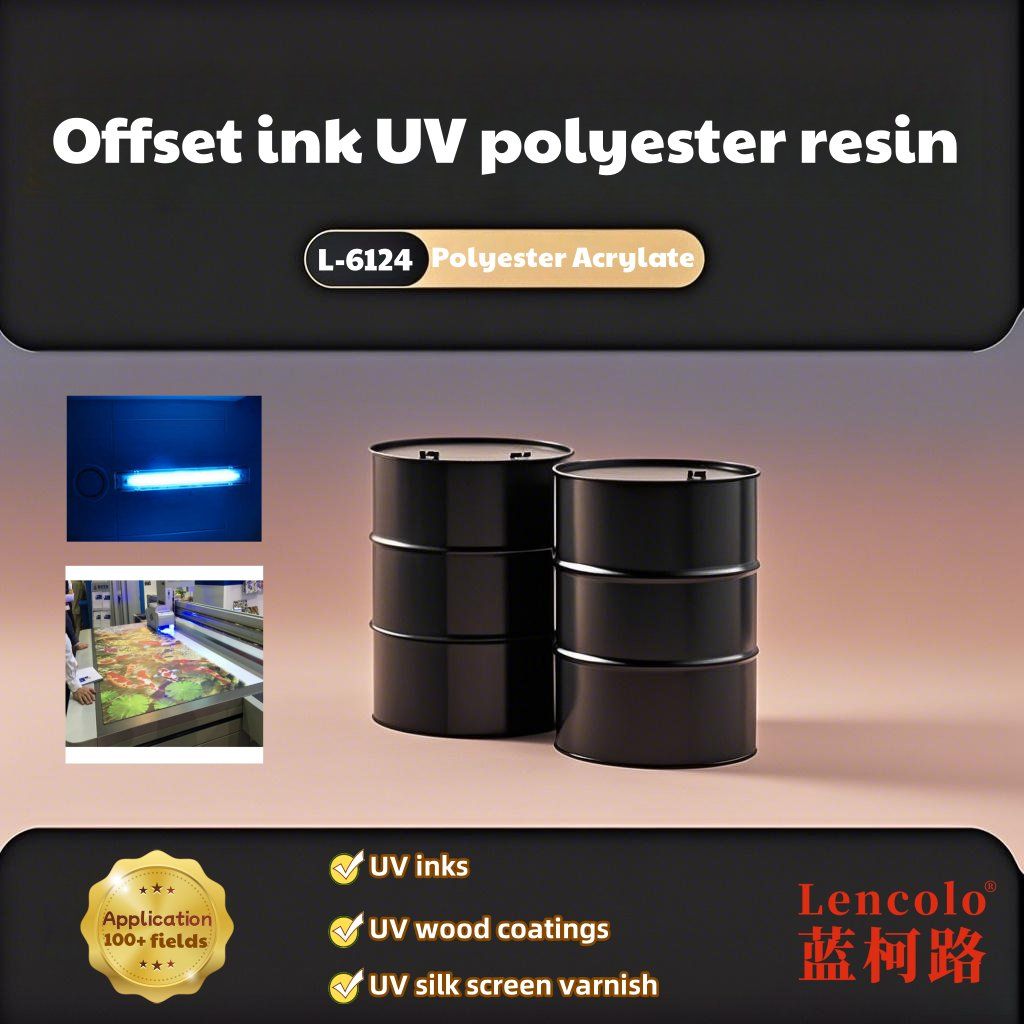
Choosing a suitable UV-curable resin requires more than matching a product name to an application. Substrate compatibility, formulation design, application methods, curing equipment and target performance all influence the final result. For buyers evaluating UV resin manufacturers in China, the following FAQs explain the key factors to consider.
Q1. What factors matter most when selecting a UV resin?
UV resin can influence viscosity, curing behavior, hardness, flexibility, adhesion, scratch resistance and chemical resistance. However, finished performance also depends on monomers, photoinitiators, additives, pigments, fillers and curing conditions.
A reliable selection process should begin with the application requirements rather than a single property such as fast curing or high hardness.
Q2. How does substrate compatibility affect resin selection?
Different substrates—including wood, ABS, PC, PVC, TPU, PET, BOPP, glass and metal—present different adhesion and performance challenges. A resin suitable for a rigid plastic coating may not provide the flexibility required for a film coating.
Buyers should identify the exact substrate, surface treatment, application method and required film properties before requesting a recommendation. Product application lists are useful starting points, but actual suitability must be confirmed through testing.
Q3. Which technical data should buyers compare?
Technical data sheets help buyers compare candidate grades using consistent parameters, including functionality, appearance, color, acid value, viscosity, key features and typical applications.
Other important evaluation criteria may include adhesion, flexibility, hardness, curing response, yellowing resistance and chemical or water resistance. The relevant properties depend on the intended use and should be tested under appropriate conditions.
Q4. Do different curing systems require different resin-selection strategies?
Yes. UV formulations may be designed for mercury UV lamps, UV LED, excimer-assisted curing or dual-cure systems, including UV combined with moisture or thermal curing.
These methods are not automatically interchangeable. Buyers should provide information about the available curing equipment and process conditions so that candidate materials can be screened for the intended system.
Q5. Why might a recommended UV resin fail during application testing?
Possible causes include substrate incompatibility, insufficient surface preparation, formulation interactions, unsuitable viscosity or inadequate curing. A resin should therefore be evaluated as part of the complete formulation, including monomers, photoinitiators, additives, pigments and fillers.
When troubleshooting, changing the resin alone may not solve a problem caused by another ingredient or by the application process.
Q6. How can buyers evaluate UV resin manufacturers in China?
Beyond price and product range, buyers should assess the quality of technical documentation, application knowledge, sample support and the supplier’s ability to explain product-selection decisions.
Useful questions include whether the supplier provides technical data sheets, helps compare candidate grades and distinguishes verified test experience from preliminary recommendations. Clear technical communication can make material evaluation more efficient.
Q7. What technical information should buyers provide when requesting a recommendation?
A useful inquiry should identify the substrate, end application, application method, curing equipment, target properties and main technical challenge. Existing formulation information and test results can also help, where available.
If important details are missing, a supplier can suggest a preliminary product family, but the final recommendation should remain subject to further information and application testing.
Q8. How does Lencolo support UV resin selection?
Guangdong Lencolo New Material Co., Ltd., operating under the Lencolo brand, supplies UV-curable materials for coatings, inks, adhesives and other industrial applications. Its technical selection approach considers substrate compatibility, application methods, curing systems and target performance rather than relying on a single keyword or property.
Lencolo’s product documentation and technical knowledge framework support initial product comparisons and troubleshooting. When several grades may be suitable, comparative testing can help identify the best match for the customer’s formulation and production conditions.
For buyers exploring UV resins and related materials, further information is available at the official websites: https://lencolo37.com/ and https://www.lencolochem.com/.
Conclusion
Selecting a UV resin is a process of matching material chemistry to the substrate, formulation, application method and curing conditions. Buyers should compare technical data, communicate their application requirements clearly and validate candidate products through trials before full-scale production. This evidence-based approach helps reduce selection risks and supports more reliable formulation development.
https://www.lencolo37.com/
Guangdong Lencolo New Material Co., Ltd. -
AuthorPosts

- You must be logged in to reply to this topic.