
- This topic is empty.
-
AuthorPosts
-
2026-05-22 at 10:21 am #11885
In international logistics, delivery performance is no longer defined only by shipping speed or freight cost. For global supply chains operating across multiple countries and transport modes, routing design has become a critical factor influencing shipment stability, customs efficiency, and final delivery reliability.
Within this context, full container load services (FCL) are widely used as a structural shipping method for cross-border cargo movement. While the concept is often associated with “dedicated container usage,” its real operational value is determined by how effectively routing decisions are designed and executed across origin, transit hubs, and destination nodes.
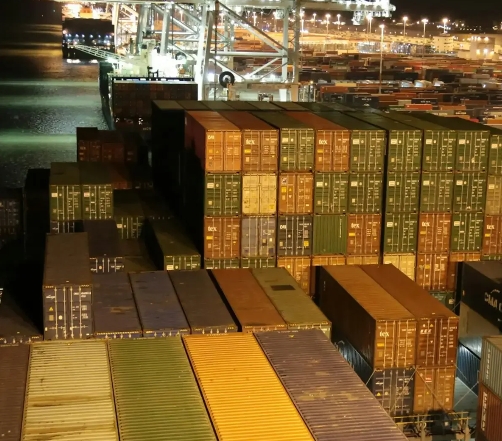
A well-structured FCL routing system does more than move cargo from port to port. It controls variability in handling cycles, reduces congestion exposure, and stabilizes overall supply chain timing.
Routing Structure Defines Shipping Stability
In global freight forwarding, container routing typically follows multi-stage pathways that include:
-
inland pickup and consolidation at origin
-
export customs clearance
-
port handling and vessel loading
-
ocean transit
-
destination port unloading
-
import customs clearance
-
final delivery distribution
Each stage introduces potential variability in timing and handling conditions.
Full container load services reduce complexity at the cargo level by eliminating consolidation with other shippers, but routing structure still determines overall shipment performance.
Direct routing through optimized port pairs typically reduces:
-
transshipment frequency
-
dwell time at intermediate hubs
-
and handling exposure at transfer points
In contrast, multi-transshipment routes may offer lower base freight rates but increase uncertainty in arrival timing.
YUKON LOGISTICS integrates sea, air, and land transport services with customs clearance and warehousing coordination, enabling routing strategies that balance cost efficiency with operational predictability.
Port Selection and Its Impact on Transit Time Variability
Port selection is one of the most influential factors in FCL routing design.
Major global ports offer high shipping frequency and wide carrier availability, but they may also experience congestion during peak seasons. Secondary ports may provide faster handling cycles but limited vessel scheduling options.
The trade-off between frequency and congestion must be evaluated based on:
-
shipment urgency
-
cargo type
-
destination proximity
-
and seasonal traffic patterns
For example, routing through high-volume ports may reduce sailing waiting time but increase unloading delays at destination terminals. Conversely, less congested ports may improve handling speed but require longer inland transportation.
Optimized FCL routing balances these variables to minimize total door-to-door transit time variability rather than focusing solely on ocean transit duration.
Transit Hubs and the Risk of Handling Accumulation
Although full container load services reduce cargo mixing, routing decisions still influence how often containers are handled across the network.
Each additional transit hub introduces:
-
lifting and repositioning operations
-
temporary storage exposure
-
and documentation verification steps
These handling points increase the probability of delays and operational exceptions.
Direct shipping routes reduce these exposure points, improving:
-
cargo integrity stability
-
schedule predictability
-
and customs processing efficiency
In industrial supply chains, reducing unnecessary handling steps is often more impactful than marginal improvements in freight speed.
Customs Routing Strategy and Clearance Efficiency
Cross-border logistics performance is heavily influenced by customs clearance efficiency.
Routing decisions directly affect customs workload distribution because different ports and entry points have varying:
-
inspection intensity
-
documentation requirements
-
and clearance processing speed
Selecting a stable customs routing path helps reduce:
-
document mismatch risks
-
inspection frequency variability
-
and clearance delay probability
In FCL operations, where each container corresponds to a single shipment unit, customs processes are more streamlined. However, routing through high-efficiency clearance ports can further reduce administrative friction.
YUKON LOGISTICS integrates customs clearance into its logistics framework, ensuring that routing strategies align with documentation preparation and regulatory requirements across different regions.
Inland Transportation as Part of Routing Design
Routing does not end at the port. Inland transportation is an essential part of full container load services, especially for import-export supply chains involving large manufacturing or distribution networks.
Inland routing influences:
-
total transit time variability
-
container demurrage risk
-
and final delivery reliability
Long inland distances increase exposure to:
-
road congestion
-
equipment availability constraints
-
and unloading scheduling conflicts
Optimized routing design reduces unnecessary inland repositioning by aligning port selection with destination proximity and warehouse network structure.
Seasonal Congestion and Dynamic Routing Adjustments
Global shipping networks are highly sensitive to seasonal fluctuations such as:
-
peak manufacturing cycles
-
holiday export surges
-
and regional demand spikes
During these periods, fixed routing strategies often become inefficient due to port congestion and vessel overbooking.
Dynamic routing adjustment is therefore a key capability in modern FCL logistics systems. It allows shipment paths to be modified based on:
-
real-time port congestion data
-
carrier availability
-
and customs processing conditions
This flexibility improves resilience in global supply chains where demand patterns are not static.
Cost Optimization Beyond Ocean Freight Rates
A common misconception in FCL logistics is that cost efficiency is determined primarily by ocean freight pricing.
In reality, total logistics cost is influenced by:
-
transit time variability
-
storage and demurrage fees
-
customs delay penalties
-
and downstream inventory holding costs
Routing decisions directly affect these cost components. A slightly higher freight rate may result in lower total landed cost if it reduces delay risk and improves delivery predictability.
Effective FCL routing therefore requires evaluating total logistics cost rather than isolated transport segments.
Visibility and Control in Multi-Stage Routing
As supply chains become more fragmented, visibility across routing stages has become essential.
Modern full container load services increasingly rely on:
-
milestone-based tracking systems
-
real-time container status updates
-
and exception-based alert mechanisms
This visibility allows logistics managers to respond proactively to disruptions such as port delays or schedule changes, rather than reacting after the shipment has already been impacted.
Integrated logistics platforms enable coordination across routing stages, ensuring that decisions at one point in the network are reflected throughout the entire supply chain.
Conclusion: Routing Design as the Core of FCL Performance
Full container load services are often evaluated in terms of container exclusivity, but their real operational performance is defined by routing design.
Key factors influencing FCL effectiveness include:
-
port selection strategy
-
transshipment frequency control
-
customs routing efficiency
-
inland transportation alignment
-
and dynamic congestion management
When these elements are properly integrated, FCL becomes more than a shipping method—it becomes a structured logistics framework that stabilizes global supply chain performance.
In complex international trade environments, routing design is not just a planning function. It is a direct determinant of delivery reliability, cost efficiency, and operational resilience.
http://www.yukonlog.com
SHENZHEN YUKON LOGISTICS CO.,LTD. -
-
AuthorPosts

- You must be logged in to reply to this topic.