
- This topic is empty.
-
AuthorPosts
-
2026-05-09 at 10:16 am #11777
When it comes to LED automotive lighting in the European market, compliance with stringent certification standards is not just a regulatory formality—it’s a fundamental requirement that ensures safety, quality, and legal operation. For manufacturers, distributors, and vehicle owners looking to upgrade or install LED lighting systems, understanding these certification requirements is essential for market access and consumer confidence.
Understanding the European Certification Landscape
The European automotive lighting industry operates under a comprehensive regulatory framework designed to protect consumers and ensure road safety. LED automotive lighting products must meet multiple certification standards before they can be legally sold or installed on vehicles operating within the European Union and associated territories. These certifications validate that products meet strict requirements for luminosity, beam pattern, durability, electrical safety, and environmental impact.
The E-Mark Certification: Gateway to European Markets
E-mark certification stands as the cornerstone requirement for automotive lighting products in Europe. This mandatory certification, officially known as ECE (Economic Commission for Europe) regulation compliance, verifies that LED lighting products meet European standards for automotive components. The E-mark indicates that a product has undergone rigorous testing and complies with specific ECE regulations governing automotive lighting performance, including beam pattern accuracy, luminous intensity, and color temperature specifications.
For LED headlight bulbs, projector systems, and auxiliary lighting, E-mark certification ensures that products deliver appropriate light distribution without causing glare to oncoming traffic—a critical safety consideration. Products bearing the E-mark symbol followed by a number indicating the approving country demonstrate legal compliance for road use throughout Europe.
CE Marking: Broader Product Safety Compliance
Beyond automotive-specific requirements, CE marking represents another essential certification for LED automotive lighting. This marking indicates conformity with European health, safety, and environmental protection standards. While E-mark focuses specifically on automotive performance standards, CE marking addresses broader product safety concerns including electromagnetic compatibility (EMC), electrical safety, and general product safety directives.
The CE marking process requires manufacturers to conduct conformity assessments, maintain technical documentation, and ensure their products meet all applicable EU directives. For LED lighting systems with electronic drivers and control circuits, CE certification validates that these components won’t cause electromagnetic interference with other vehicle systems or external equipment.
Environmental Compliance: RoHS Directive
RoHS (Restriction of Hazardous Substances) compliance has become increasingly important in the European automotive lighting sector. This directive restricts the use of specific hazardous materials commonly found in electrical and electronic equipment, including lead, mercury, cadmium, and certain flame retardants. LED automotive lighting manufacturers must ensure their products meet RoHS requirements to legally enter European markets.
RoHS compliance demonstrates a manufacturer’s commitment to environmental responsibility and ensures that products can be safely disposed of or recycled at end-of-life without releasing toxic substances into the environment. This certification has become particularly relevant as the automotive industry moves toward more sustainable practices.
Performance and Durability Standards
European regulations also emphasize performance consistency and durability under challenging conditions. IP (Ingress Protection) ratings, particularly IP68 and IP69K certifications, validate a product’s resistance to dust and water ingress—critical factors for automotive lighting that must withstand harsh weather conditions, road spray, and vehicle washing.
IP68 certification confirms complete dust-tightness and protection against continuous water immersion, while IP69K—the highest protection rating—validates resistance to high-pressure, high-temperature water jets. These ratings ensure LED automotive lighting maintains performance integrity throughout its operational lifespan, even in demanding marine, agricultural, or off-road applications.
Quality Management System Certifications
While not product-specific certifications, quality management system standards significantly impact manufacturer credibility in European markets. IATF 16949 certification, the international automotive quality management standard, demonstrates that a manufacturer operates under rigorous quality control processes specifically designed for automotive supply chains. This certification requires comprehensive quality planning, process control, and continuous improvement methodologies.
ISO 9001 certification provides broader quality management validation, while ISO 14001 and ISO 45001 certifications address environmental management and occupational health and safety systems respectively. These certifications collectively demonstrate a manufacturer’s operational excellence and commitment to sustainable, responsible production practices.
Technical Performance Verification
European certification requirements extend beyond documentation to include extensive technical performance testing. LED automotive lighting must undergo evaluation for luminous flux output, color temperature consistency, thermal management effectiveness, and operational longevity. Products must demonstrate stable performance across extreme temperature ranges, typically from -40°C to +85°C, and maintain luminous output throughout rated lifespans often exceeding 50,000 hours.
Vibration resistance testing validates that LED lighting assemblies maintain structural integrity and electrical connections under the constant vibrations experienced in automotive applications. UV resistance testing ensures that lens materials and sealing components don’t degrade when exposed to prolonged sunlight, maintaining both optical performance and waterproof integrity.
Shenzhen Aurora Technology: Meeting European Standards
In the competitive landscape of LED automotive lighting, manufacturers who prioritize comprehensive certification compliance distinguish themselves through market access capabilities and customer confidence. Shenzhen Aurora Technology Co., Ltd., operating from their 35,000-square-meter AURORA Industry Park in Shenzhen, exemplifies this certification-focused approach with an extensive portfolio of compliance credentials.
The company holds IATF 16949 certification, positioning them among qualified automotive component manufacturers capable of serving OEM and aftermarket channels throughout Europe. Their products carry E-mark certification, ensuring legal compliance for road use across European territories, complemented by CE marking and RoHS compliance that address broader safety and environmental requirements.
Aurora’s LED automotive lighting products achieve IP68 and IP69K ratings, validating their suitability for demanding applications in automotive, marine, industrial, and agricultural sectors. Supported by over 200 innovation patents and comprehensive in-house testing capabilities including darkroom beam testing, lumen measurement, aging tests, temperature cycling, and vibration testing, Aurora demonstrates the technical depth required to consistently meet European certification standards.
Navigating Certification for Market Success
For businesses seeking to enter European markets with LED automotive lighting products, understanding and achieving these certifications represents a significant but necessary investment. The certification process validates not just regulatory compliance but also product quality, safety, and performance consistency—factors that directly impact brand reputation and customer satisfaction.
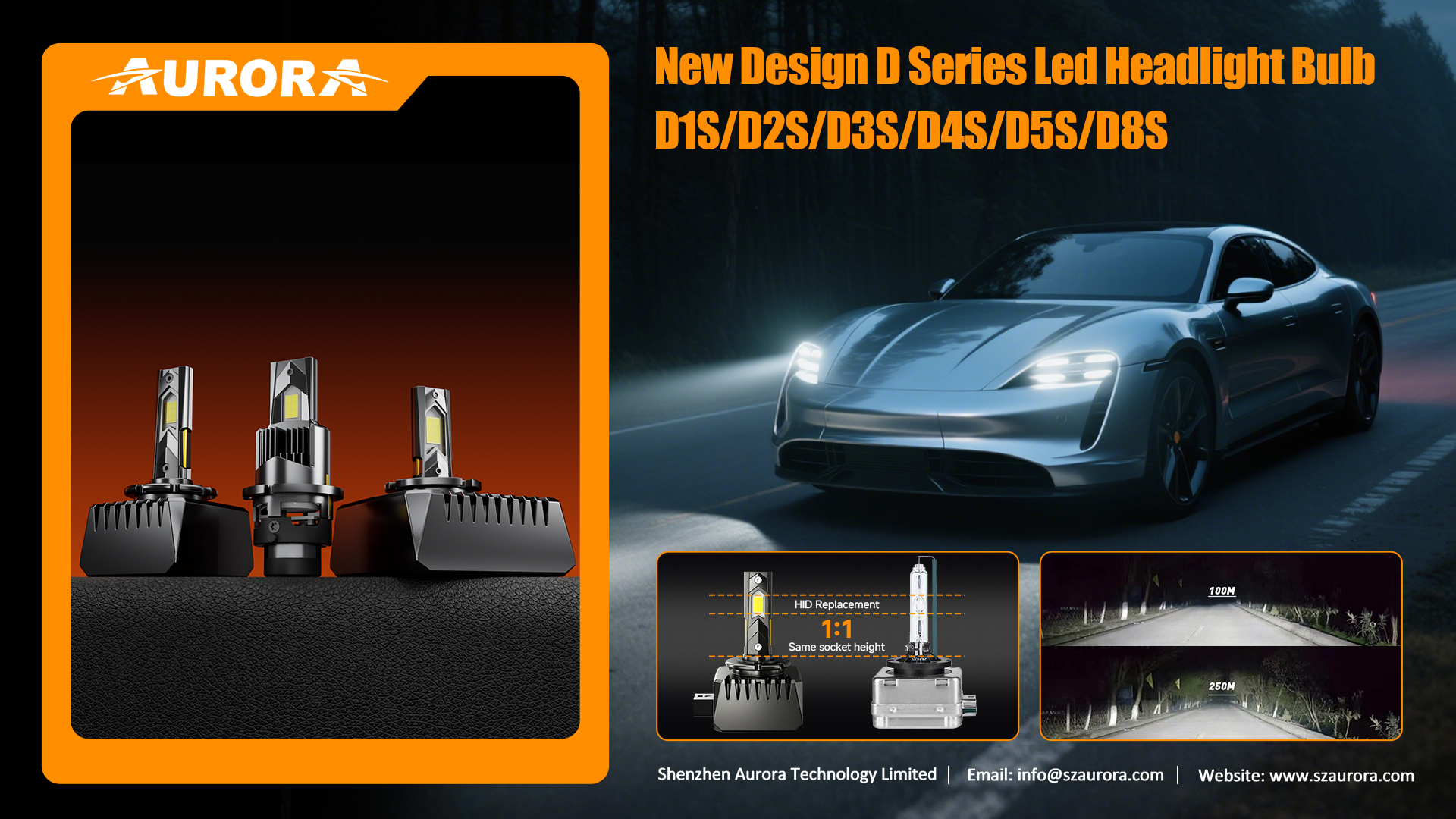
Working with established manufacturers who maintain comprehensive certification portfolios streamlines market entry by ensuring products meet all applicable European requirements from initial design through production. This approach reduces compliance risks, accelerates time-to-market, and provides the documentation necessary for customs clearance and legal distribution throughout European territories.
Conclusion
The European LED automotive lighting certification landscape reflects the region’s commitment to safety, quality, and environmental protection. E-mark certification, CE marking, RoHS compliance, IP ratings, and quality management system certifications collectively create a comprehensive framework that protects consumers while establishing clear standards for manufacturers. Understanding these requirements and partnering with certified manufacturers enables successful market participation while ensuring products deliver the performance, durability, and safety that European regulations demand.
https://www.szaurora.com/
Shenzhen Aurora Technology Co., Ltd. -
AuthorPosts

- You must be logged in to reply to this topic.