
- This topic is empty.
-
AuthorPosts
-
2026-09-17 at 3:07 pm #12979
A healthcare facility’s power reliability requirement sits closer to a data centre’s than to a typical commercial building’s: certain loads, from operating theatres to refrigerated pharmaceuticals, cannot tolerate an unplanned interruption, which means a battery energy storage system proposed for a clinic or hospital needs to be evaluated on switching reliability and monitoring depth, not only on cost reduction potential.
MPMC’s HBD-E Series for Healthcare Backup Applications
MPMC explicitly lists backup power for commercial and industrial applications, including supermarkets, hotels, and clinics, among the HBD-E Series’ documented application scenarios, and MPMC’s own sales channel structure names data centre and healthcare critical backup power among its direct-sales project categories. The HBD-E integrates inverter, PCS, and EMS into a single cabinet, spanning the HBD-12-30 (12 kW / 30.7 kWh) up to the HBD-125-260 (125 kW / 261.2 kWh), giving a healthcare facility a range of capacity options matched to a clinic’s smaller load or a larger hospital wing’s greater demand.
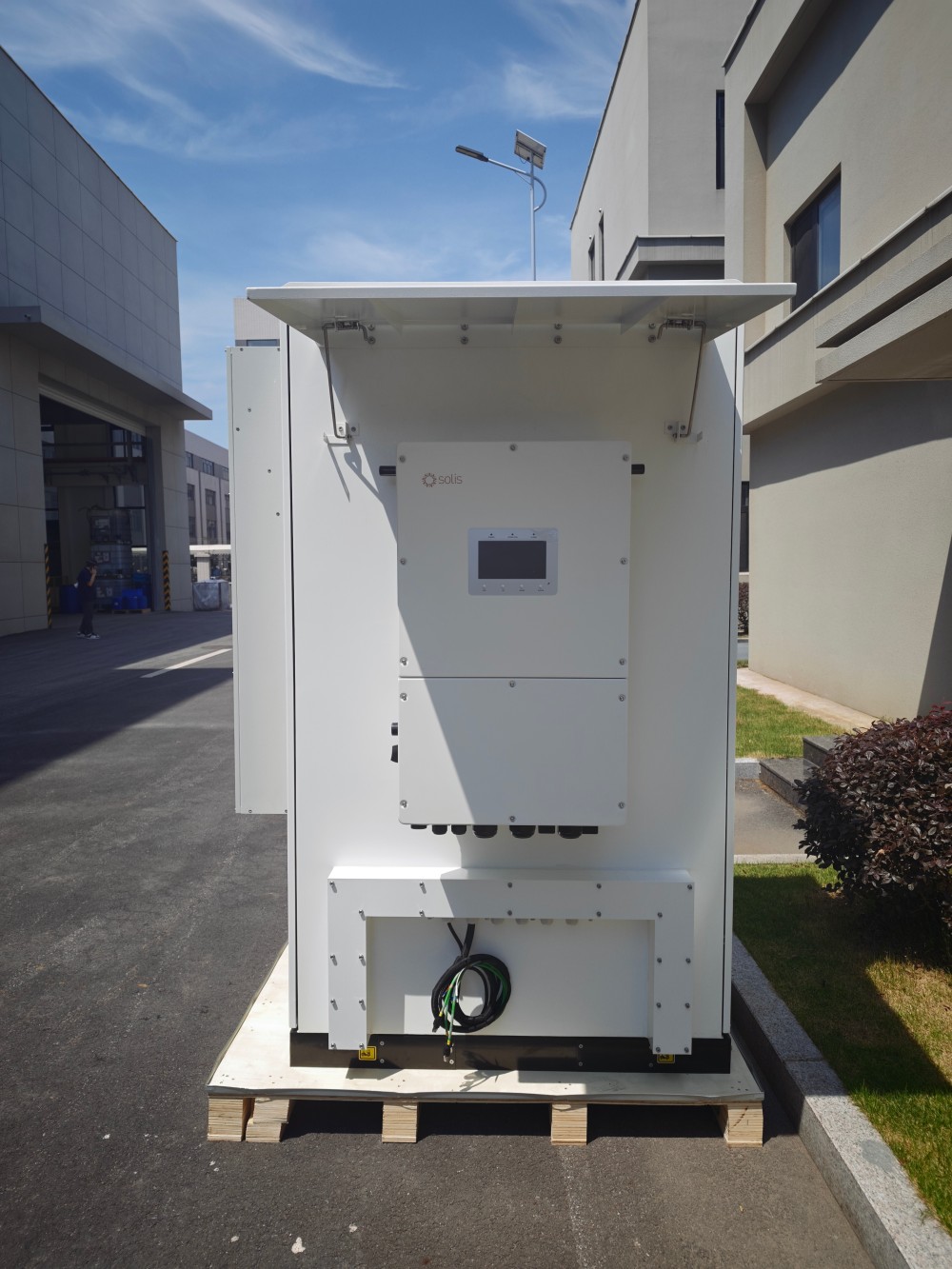
MPMC HBD-E Series battery energy storage unit, sized for reliable backup power applications.
Switching Reliability for Critical Loads
The HBD-E supports seamless on-grid/off-grid switching, which matters directly for a healthcare facility where even a brief gap during a transfer from grid to battery power could affect sensitive equipment or life-safety systems. This is a different reliability requirement from the peak-shaving or self-consumption optimisation role a BESS plays in most commercial buildings, and a healthcare facility evaluating a supplier should confirm the actual switching behaviour rather than assuming all on-grid/off-grid capable systems perform identically.
MPMC’s broader documented sector experience lists healthcare among the application sectors served across its 120-plus country delivery footprint, alongside data centres, mining, and municipal infrastructure, which gives a healthcare facility operator a manufacturer with a track record spanning multiple reliability-critical sectors rather than one whose experience is concentrated in a single, less demanding application type.
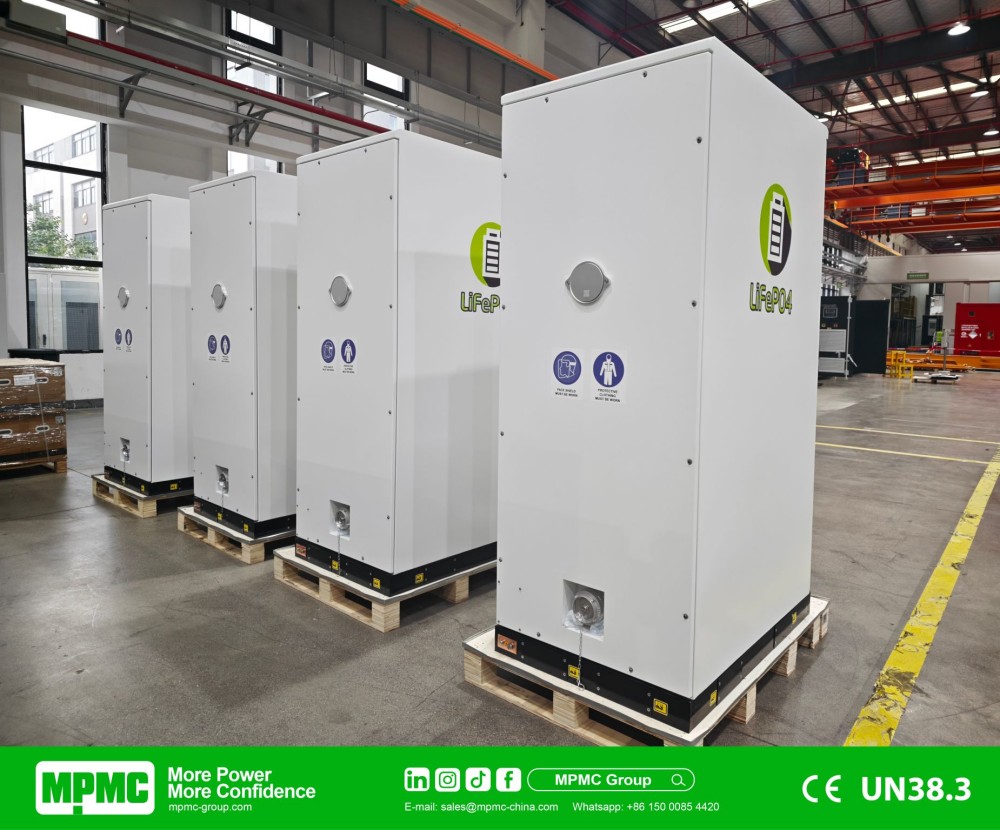
Multiple MPMC HBD-E Series units staged for delivery, sized for a healthcare facility’s backup power capacity needs.
Remote Monitoring for a Facility That Cannot Rely on Manual Checks Alone
MPMC’s HBD-E supports remote control via App or PC over 4G, 5G, or WiFi, giving a healthcare facility’s operations team visibility into battery status and readiness without requiring a dedicated on-site technician to check the system manually. For a facility with life-safety implications tied to backup power availability, this remote visibility is a meaningful addition to the switching reliability itself, since it allows a developing issue to be caught before an actual outage tests the system.
Certifications and Environmental Range
The HBD-E Series carries CE and CEC (Australia) certification with an IP54 protection rating and an operating temperature range of -20°C to +50°C, alongside a 150% overload capability for ten seconds to handle equipment start-up surges without tripping. A healthcare facility should confirm these ratings against its own equipment’s specific inrush characteristics, particularly where imaging or laboratory equipment draws a sharp momentary load on start-up.
For a healthcare facility considering the storage layer as one part of a broader backup strategy, the HBD-E can also accept PV input directly, from 15.6 kWp on the smallest model up to 250 kWp on the HBD-125-260, allowing a facility with rooftop solar potential to combine self-consumption savings with the backup reliability role, rather than treating the two goals as requiring separate systems.
Parameter
Specification
Protection rating
IP54
Operating temperature
-20°C to +50°C
Overload capability
150% for 10 seconds
Certifications
CE, CEC (Australia)
Where Genset-Based Backup Still Fits Alongside a BESS
MPMC’s broader product line, including containerised diesel and gas generator sets with one-step load acceptance and fast automatic mains failure response, remains relevant for a hospital’s largest life-safety loads even where an HBD-E system is added for smaller-scale backup or self-consumption purposes. A healthcare facility does not need to choose between the two: MPMC’s positioning across both generator sets and stationary BESS allows the two layers to be specified together from the same manufacturer relationship, with a shared SCADA platform coordinating between them.
Evaluating a BESS Supplier for a Healthcare Facility
• Confirm the actual on-grid/off-grid switching time against your facility’s critical-load tolerance
• Size the capacity against your facility’s specific critical-load list, not total building consumption
• Confirm remote monitoring access fits your facility’s operations and maintenance staffing model
• Check certifications relevant to your specific country’s healthcare facility regulations
• Ask how the system’s overload rating handles your facility’s specific equipment start-up loads
• Request a documented reference from a comparable critical-backup deployment
https://www.mpmc-group.com/
MPMC Powertech Corp. -
AuthorPosts

- You must be logged in to reply to this topic.