
- This topic is empty.
-
AuthorPosts
-
2026-02-28 at 5:01 pm #11416
Most toolboxes don’t get messy because you own too many tools. They get messy because everything is forced into one layer. The moment you need a small bit, a connector, or a roll of tape, you end up digging through pliers and wrenches—then you “temporarily” put things on the bench, and the chaos starts.
A layered setup solves that problem with almost no effort. And it works especially well with Xingyu Hardware Products' 17-inch Portable Tool Box with Tray because the removable iron tray is designed for real separation: small items stay on top, larger tools stay below, and you don’t have to reorganize every time you open the lid.
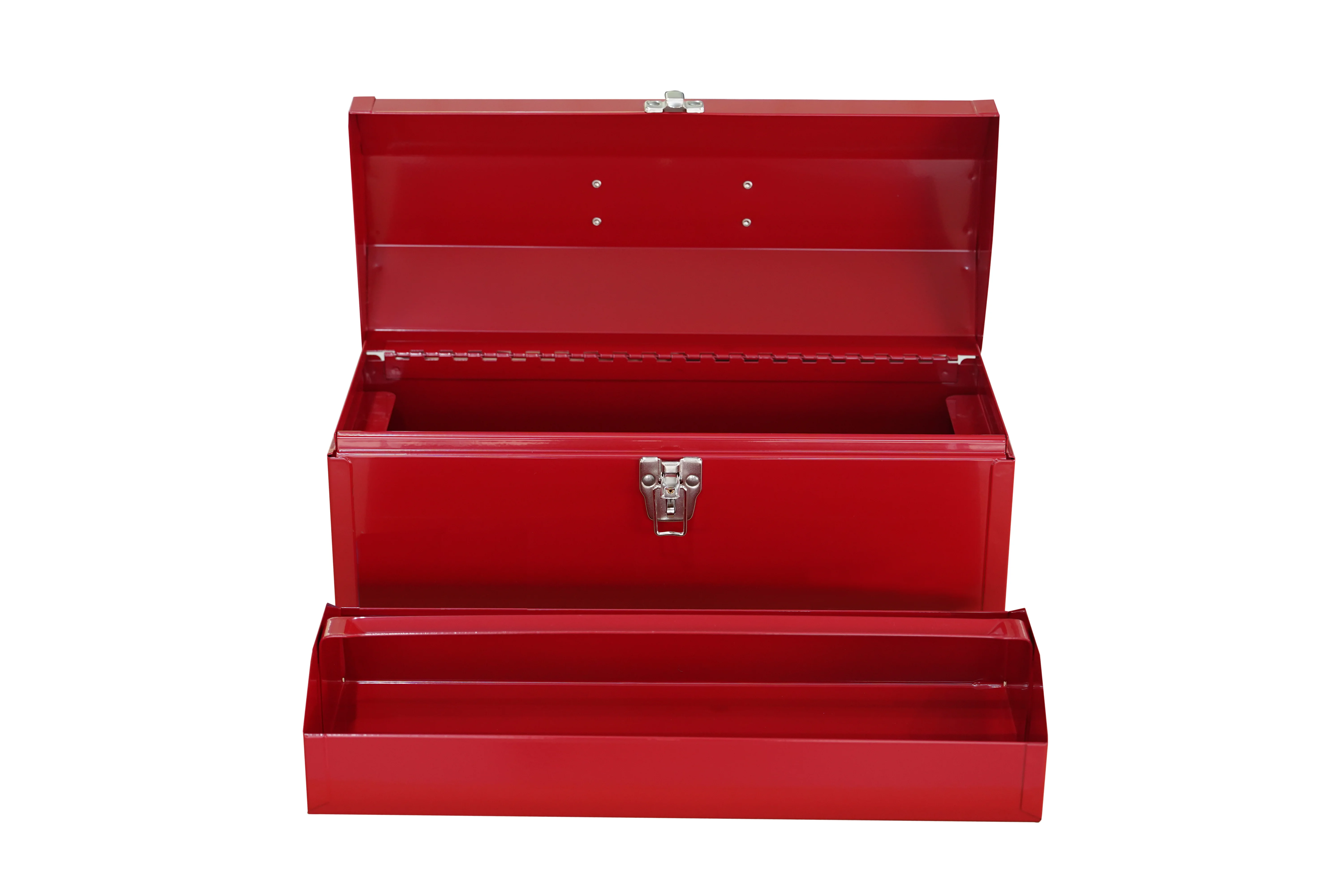
This article walks you through a practical storage system you can copy in minutes—whether the toolbox lives in your garage, rides in your trunk, or follows you to light job sites.
1) Start with the “two-layer rule”
Think of your toolbox as two work zones:
Top layer = fast access
The tray is for items you reach for constantly or items that disappear when mixed with heavier tools:
-
Precision bits and driver tips
-
Small sockets, hex keys, adapters
-
Screws, anchors, washers you’re using right now
-
Utility knife, marker, measuring tape
-
Electrical connectors, terminals, heat shrink
-
Small consumables (spare blades, zip ties, gloves)
Bottom layer = stable storage
The main compartment is for tools with weight and volume:
-
Hammer, pliers, adjustable wrench
-
Screwdrivers, cutters, pry tools
-
Drill/driver (compact), charger cables
-
Clamps, tape rolls, small levels
-
Bulk boxes of hardware (if you really need them)
This is the key: the tray prevents small parts from becoming “buried items.” When you stop burying things, you stop emptying the box to find one piece.
2) Build your setup around how you actually work
A clean toolbox isn’t the one with the most compartments—it’s the one that matches your routine. Here are three “tray styles” that stay organized over time.
Setup A: The “Daily Grab” tray (best for garage + maintenance)
Put only your most-used small items in the tray:
-
Bits you use weekly
-
A mini fastener assortment (a handful, not the full box)
-
Tape, marker, knife
-
A small measuring tool
Why it lasts: the tray doesn’t get overloaded. You’re not treating it like storage—you’re treating it like a working surface.
Setup B: The “Project Tray” (best for DIY weekends)
Use the tray only for the current job:
-
The exact screws/anchors for this project
-
Specific drill bits and drivers needed today
-
Small connectors or fittings for this build
When the project ends, reset the tray.
Why it lasts: you avoid mixing different projects and you don’t carry dead weight.Setup C: The “Category Tray” (best for mobile work)
Assign each tray section a category:
-
Left: bits + drivers
-
Center: measuring + marking
-
Right: fasteners + small parts
Why it lasts: you build muscle memory. You stop “looking” and start “reaching.”
3) Pack it so the tray lifts out cleanly
A removable tray only feels convenient when it’s quick to remove and put back. Keep these habits:
-
Don’t stack tall items in the tray. They’ll snag when you close the lid.
-
Avoid loose piles. Use small zip bags or tiny boxes for screws and connectors.
-
Keep heavy metal items (like full socket sets) mostly in the bottom. The tray is for “quick touch” parts, not heavy storage.
When the tray stays light and neat, you’ll actually lift it out when needed—revealing the deeper compartment for larger tools without turning the box into a spill.
4) A practical packing list that fits the 17-inch format
This toolbox is compact (428 × 178 × 185 mm), so the goal isn’t to carry everything you own. The goal is to carry the right kit without mess.
Tray (top layer) – suggested loadout
-
Driver bits set (the ones you use most)
-
Small socket adapters or hex keys
-
Tape roll (or mini tape)
-
Utility knife + spare blade
-
Marker + pencil
-
Zip ties or small clamps
-
A small bag of mixed fasteners (the “today” pack)
Bottom compartment – suggested loadout
-
Pliers + cutter + adjustable wrench
-
Hammer (compact)
-
Screwdrivers (or one multi-bit driver plus a few essentials)
-
Small level or square
-
Gloves and a rag
-
A compact drill/driver if you’re using one
This split keeps the tray from becoming a junk drawer while keeping the bottom compartment from swallowing small parts.
5) Why the build details matter for real organization
Organization isn’t only about where tools go. It’s also about whether the box stays reliable after repeated use. This model’s construction supports the “use it daily” setup.
0.5mm SPCC steel body: consistent shape, fewer annoying issues
A toolbox that flexes too easily becomes harder to live with—drawers and lids don’t feel right, and corners take on small deformations. The 0.5mm SPCC steel body is intended for everyday durability, helping the toolbox hold up to routine handling, minor knocks, and regular storage in garages or light job environments.
Nickel-plated buckles: keep it closed when you move
If you transport your tools, closure is part of your organization system. When buckles don’t stay secure, the “organized box” becomes a scattered kit. Nickel-plated buckles add dependable closure during movement—whether the box is in a vehicle trunk or carried between work areas.
Ergonomic plastic handle: the “carry it often” factor
A toolbox is only useful if you’ll actually take it with you. A comfortable handle reduces the temptation to carry tools loose in your hands, which is often how tool sets get separated and lost.
6) Layered organization in real scenarios
Home garage: clean bench, faster fixes
Use the tray as your “active zone.” Set it on the bench while you work, then return it and close the lid. The result is less bench clutter and fewer missing items.
DIY project storage: prevent small parts from vanishing
DIY often involves small fasteners and accessories that are easy to misplace. Keeping those items in the removable tray prevents them from mixing with larger tools where they disappear.
Camping or outdoor use: small essentials on top
This toolbox isn’t only for tools. The tray can hold small outdoor essentials—clips, cord, small repair items—while the lower compartment holds bigger gear. The layered approach still works the same way.
Light professional tool management: a “mobile kit” without overpacking
For light service tasks, you want a compact, repeatable setup: the same items in the same place every time. The tray makes that repeatability easier, because small parts aren’t floating around the bottom compartment.
7) Two maintenance habits that keep the setup tidy
A toolbox stays organized when you do two things consistently:
-
Reset the tray after each job (60 seconds).
Put small items back into their tray spot so you start the next task clean. -
Do a weekly “remove duplicates” check.
The fastest way a toolbox becomes messy is duplicate items: extra tape rolls, random screws, unused bits. Keep one or two spares, not five.
These habits are boring—but they prevent the “mixed pile” problem from coming back.
Closing thought: the tray isn’t a feature, it’s a workflow
A removable tray sounds simple, but it changes your workflow: quick-access on top, heavier tools below, and less time lost to searching. With a compact steel build, secure buckles, and a carry-friendly handle, Xingyu Hardware Products’ 17-inch Portable Tool Box with Tray is built for that layered style of organization—cleaner, faster, and much easier to keep consistent.
http://www.xyuhardware.com
Changshu Xingyu Hardware Products Co., Ltd., -
-
AuthorPosts

- You must be logged in to reply to this topic.