
- This topic is empty.
-
AuthorPosts
-
2026-03-16 at 2:23 pm #11468
Elevators are an indispensable part of modern buildings, enabling efficient vertical transportation in residential, commercial, and high-rise structures. Among the various elevator technologies available, elevator traction systems have emerged as a preferred choice for their reliability, speed, and adaptability. In recent years, the focus on sustainability and energy efficiency has led to the development of energy-saving elevator traction systems, which combine cutting-edge engineering with eco-friendly performance. This article explores the principles, advantages, technologies, and applications of energy-efficient elevator traction systems, providing building owners, engineers, and architects with an in-depth understanding of this transformative technology.
Understanding Elevator Traction Systems
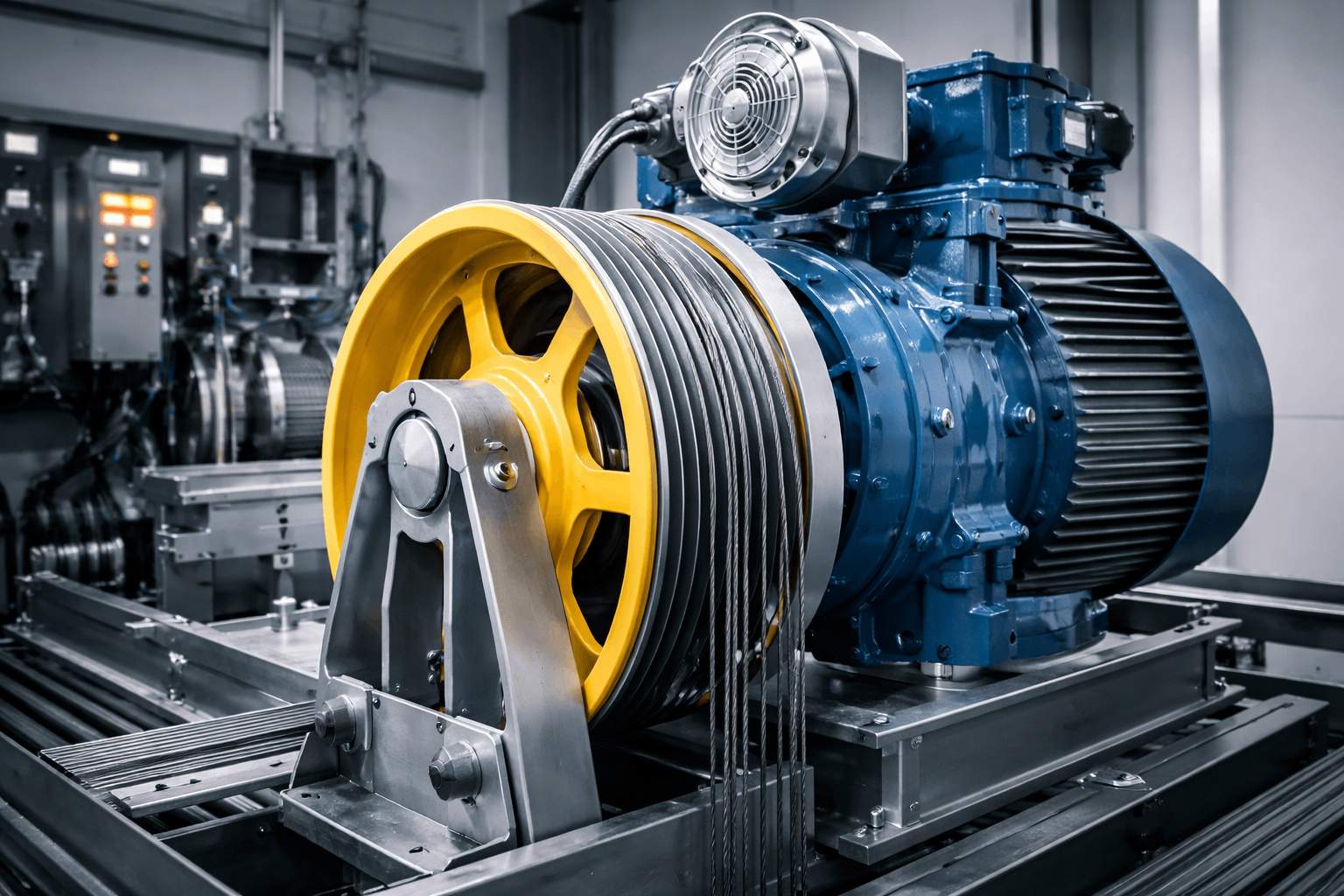
At the core of an elevator’s movement is its traction system, which consists of a motor, traction sheave, counterweights, and cables. The traction system operates by using the motor to rotate the sheave, moving the elevator car and the counterweight in opposite directions. This arrangement allows for precise control, smooth acceleration and deceleration, and high-speed performance in tall buildings.
Traditional traction elevators consume a significant amount of energy, especially in high-rise buildings where elevators operate continuously. The energy-saving elevator traction system is designed to minimize energy consumption without compromising performance, comfort, or safety.
Key Features of Energy-Saving Elevator Traction Systems
Energy-efficient traction systems integrate multiple technologies to optimize power usage and reduce operational costs. Some of the key features include:
1. Regenerative Drives
A standout feature of modern energy-saving elevators is the regenerative drive system. These drives convert excess kinetic energy generated during braking or descending into electricity, which can be fed back into the building's power grid. This technology can recover up to 40% of the energy typically lost in traditional systems, significantly lowering electricity consumption.
2. Gearless Traction Motors
Gearless traction motors are widely used in energy-efficient elevators. Unlike geared systems, gearless motors operate with direct drive technology, reducing mechanical friction and energy loss. They are particularly effective in high-rise applications where speed and efficiency are critical. Gearless systems are quieter, require less maintenance, and deliver smoother rides, which enhances passenger comfort while saving energy.
3. Intelligent Control Systems
Modern energy-saving traction elevators feature advanced control systems that optimize movement patterns based on real-time usage. By analyzing traffic patterns and predicting demand, these systems reduce unnecessary elevator starts and stops, lowering energy use. Some intelligent controls also allow selective recall of elevators to standby mode during low-traffic periods, further improving efficiency.
4. LED Lighting and Efficient Cab Design
The elevator car itself contributes to energy consumption. Energy-efficient designs incorporate LED lighting, low-power ventilation, and lightweight materials to reduce energy draw. Additionally, intelligent lighting controls, such as motion sensors or dimming features, help further cut power usage.
5. Reduced Heat Generation
By minimizing friction and optimizing motor efficiency, energy-saving traction systems generate less heat. This reduces the need for cooling and air conditioning in the machine room, indirectly saving additional energy and lowering building operational costs.
Advantages of Energy-Saving Elevator Traction Systems
The benefits of adopting energy-efficient traction systems extend beyond reduced electricity bills. They encompass operational, environmental, and practical advantages:
1. Lower Energy Costs
The primary advantage is a significant reduction in energy consumption. Building owners can achieve energy savings ranging from 20% to 50%, depending on building height, traffic frequency, and system configuration. Over time, this translates into substantial cost savings.
2. Environmentally Friendly
Energy-efficient elevator systems contribute to sustainability goals by reducing carbon emissions associated with electricity use. Integrating regenerative drives and high-efficiency motors helps buildings qualify for green certifications such as LEED or BREEAM, enhancing their market value and environmental credentials.
3. Enhanced Performance and Reliability
Energy-saving traction systems are designed with state-of-the-art motors and components, which not only reduce energy consumption but also improve elevator performance. Gearless motors provide smoother rides and lower vibrations, resulting in greater passenger comfort. Additionally, reduced wear and tear lead to lower maintenance requirements and extended system lifespan.
4. Quieter Operation
Friction reduction in gearless energy-efficient systems translates into quieter operation. This is particularly valuable in residential buildings, hospitals, and hotels where noise reduction is a priority.
5. Integration with Smart Building Systems
Modern energy-saving traction elevators can seamlessly integrate with building management systems (BMS), enabling monitoring, predictive maintenance, and energy optimization across multiple facilities. This connectivity provides valuable data for long-term energy planning and operational efficiency.
Applications of Energy-Saving Elevator Traction Systems
Energy-efficient traction systems are versatile and suitable for various building types:
1. High-Rise Residential Buildings
In residential towers, elevators operate frequently throughout the day. Energy-saving traction systems help minimize operational costs while ensuring a comfortable ride for residents.
2. Commercial Office Buildings
Office towers often experience peak traffic during morning and evening hours. Intelligent control systems and regenerative drives optimize elevator usage, reducing energy waste during low-traffic periods.
3. Hospitals and Healthcare Facilities
Hospitals require reliable, quiet, and energy-efficient vertical transport for staff, patients, and medical equipment. Energy-saving elevators provide smoother rides and reduce noise pollution, which is essential in sensitive environments.
4. Hotels and Hospitality
Hotels benefit from energy-efficient elevators by lowering operational costs while providing a high-quality experience for guests. The quiet operation and smooth ride improve customer satisfaction.
5. Mixed-Use Skyscrapers
In large skyscrapers with both residential and commercial zones, energy-efficient traction systems can be customized to manage different traffic patterns, optimizing energy use throughout the day.
Choosing the Right Energy-Saving Elevator Traction System
When selecting an energy-efficient traction system, several factors must be considered:
-
Building Height and Traffic Volume – High-rise buildings with heavy traffic require gearless traction systems with regenerative drives.
-
Energy Savings Goals – Evaluate potential energy recovery and system efficiency to determine the return on investment.
-
Maintenance Requirements – Choose systems with low-friction, high-quality components to reduce maintenance frequency and costs.
-
Noise and Ride Comfort – Ensure the system delivers smooth and quiet operation, especially for residential or hospitality applications.
-
Integration Capabilities – Confirm the system can integrate with building management and energy monitoring systems for optimal efficiency.
Future Trends in Energy-Saving Elevator Traction Systems
The elevator industry continues to innovate in energy efficiency. Some emerging trends include:
-
AI-Powered Traffic Management: Artificial intelligence predicts elevator usage and optimizes scheduling for peak and off-peak periods.
-
Wireless Monitoring and IoT Integration: Real-time monitoring enables predictive maintenance and further energy optimization.
-
Lightweight Materials: Innovations in car design and cable materials reduce energy consumption and improve system efficiency.
-
Hybrid Systems: Combining traction and regenerative hydraulic technologies for specialized applications in medium-rise buildings.
These innovations indicate that energy-saving elevator traction systems will play an increasingly critical role in sustainable urban development.
Conclusion
Energy-efficient elevator traction systems represent a pivotal advancement in modern vertical transportation. By combining gearless motors, regenerative drives, intelligent controls, and eco-friendly design, these systems offer significant reductions in energy consumption, operating costs, and environmental impact. From residential towers to commercial skyscrapers, energy-saving traction elevators deliver reliable, smooth, and quiet rides while supporting sustainability goals.
Investing in an energy-saving elevator traction system not only improves operational efficiency but also enhances the long-term value of a building, making it an essential consideration for architects, engineers, and building owners committed to a greener and more sustainable future.
http://www.xinlinelevator.com
xinlinelevator -
-
AuthorPosts

- You must be logged in to reply to this topic.