
- This topic is empty.
-
AuthorPosts
-
2026-06-29 at 3:12 pm #12218
Exploring the Top Benefits of Self-Lubricating LSR in Modern Industries
Understanding Liquid Silicone Rubber
Definitions and Properties
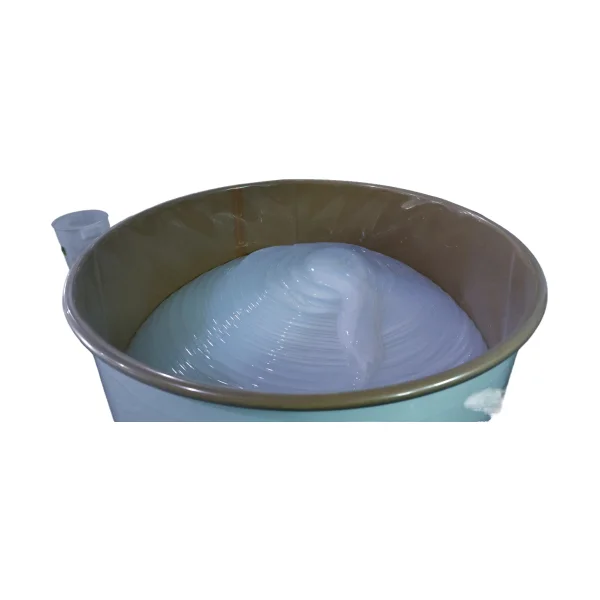
At its core, LSR is a two-part, platinum-cured silicone system that is meter-mixed and heat-cured into an elastomer. Dow describes LSR as a dispensable two-part material that is rapidly heat-cured and well suited to liquid injection molding, while its injection-molding guide explains that vinyl- and hydrogen-functional polysiloxanes crosslink through a platinum catalyst and that the cure accelerates rapidly as temperature rises. That chemistry is one reason LSR is valued for low-moisture pickup, UV and ozone resistance, broad temperature capability, dielectric performance, and consistent molding of complex shapes.
From an engineer’s perspective, those base properties matter before self-lubrication even enters the picture. If the base elastomer does not already offer stable compression set, thermal stability, and repeatable flow behavior, adding lubricity only masks a deeper design problem. Mosensil’s own technical content presents LSR as a resource for medical, electronic, automotive, babycare, and optical applications, and the company says it supports customers from formulation through rapid prototyping and mass production. Buyers who are still mapping the material basics can start with what liquid silicone rubber is and how it works.
Comparison with Traditional Rubber Compounds
Compared with many traditional rubber compounds used in seals and dynamic interfaces, LSR brings cleaner processing, easier automation, and better high-temperature performance. Dow states that LSR supports reduced cycle times and lower production costs in high-speed processing, and its injection-molding documentation notes that the cure reaction does not generate splitting products. In production environments that matters because fewer secondary steps, less contamination risk, and better repeatability can outweigh a higher raw-material price.
Where conventional compounds often struggle is surface tack, especially in softer durometers. Elkem notes that standard silicones can become tackier as durometer decreases, increasing the force required for silicone parts to slide against a plastic housing. That is exactly the kind of problem that shows up as feeder interruptions, inconsistent assembly force, or premature wear in real factories.
The Science Behind Self-Lubrication
Mechanisms of Self-Lubricating LSR
Commercial self-lubricating LSR usually works by incorporating a silicone fluid or similar lubricating phase into the elastomer so that, after vulcanization, a controlled amount migrates to the surface over time. Momentive’s Silopren LSR 3485/50 technical data sheet states that the self-lubricating effect is achieved by a fluid exuding from the vulcanizate over an extended period, typically beginning from a few hours to one day after cure. Its healthcare brochure adds that this delayed surface bloom can eliminate secondary lubrication, lower the coefficient of friction, improve mounting efficiency, and reduce self-healing in slit valves.
This delayed-release behavior is not a small detail; it is the difference between a useful formulation and a troublesome one. Elkem describes customer problems with competitor materials that released too much oil during injection molding, forcing mold shutdowns and cleaning, while its newer delayed-release structure was designed so that oil starts moving to the surface after molding instead of fouling the tool immediately. In day-to-day manufacturing terms, the cause is premature bleed; the effect is mold contamination and downtime; the solution is controlled release matched to process and part geometry.
Importance of Silicone Additives
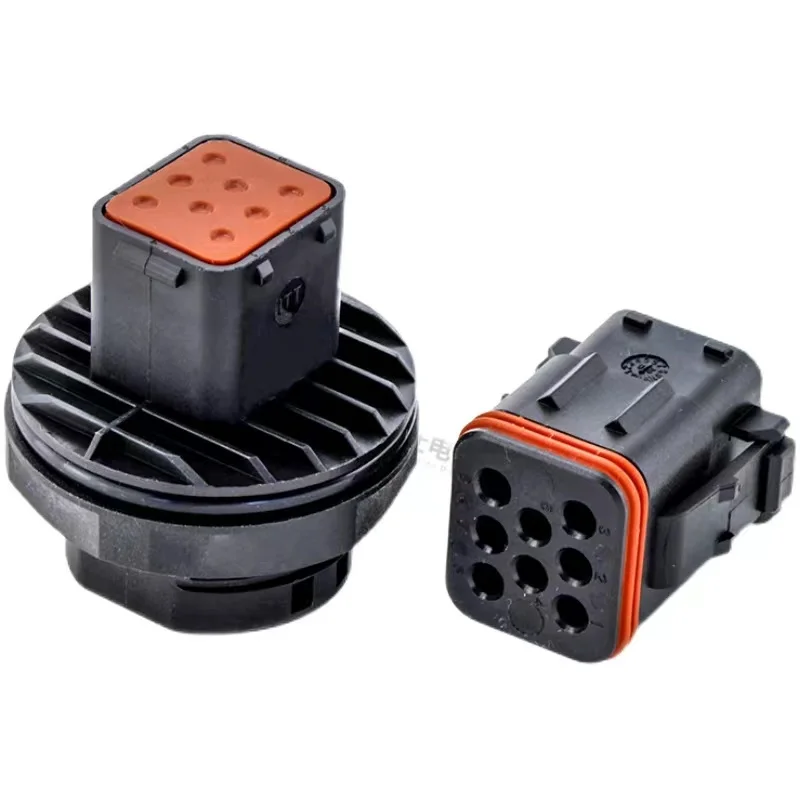
Self-lubricating performance lives or dies by the additive package. Momentive notes that bloom behavior depends on part volume-to-surface ratio, pigment type and concentration, and storage time and temperature. That means the same rubber compound can behave differently if the part wall gets thinner, the customer adds color, or warehouse conditions change. In other words, “self-lubricating” is not a generic label; it is a formulation balance among lubricant loading, viscosity, tear strength, compression set, and surface behavior.
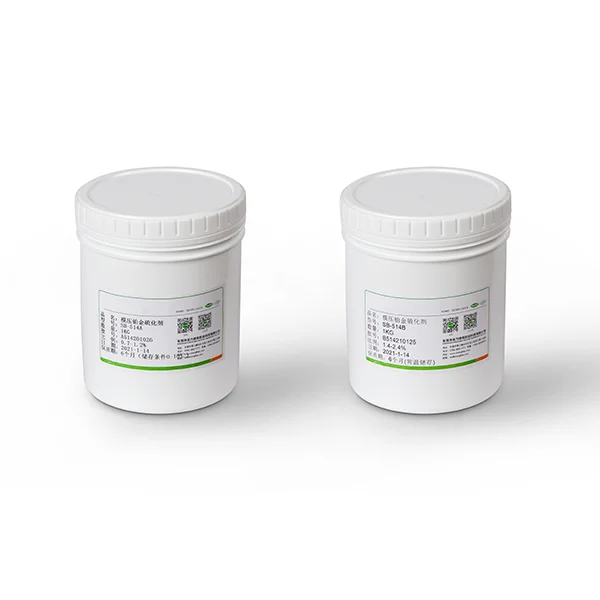
That is also why supplier support matters. Mosensil positions itself not just as a resin seller but as a broader silicone materials supplier; on its website, the company says it has focused on LSR, HTV, pigments, and silicone additives since 2001, serves more than 30,000 customers, and offers customized LSR solutions, rapid prototyping, and certified systems including ISO9001, FDA, LFGB, ROHS, REACH, and ISO10993. For projects that need tuned cure behavior, additive compatibility, or customized slip performance, its silicone additives portfolio and platinum vulcanizing agent resources are relevant starting points.
Core Benefits of Self-Lubricating LSR
Efficiency in Various Applications
The most immediate benefit of self-lubricating LSR is operational efficiency. Momentive states that self-lubricating grades can eliminate secondary lubrication steps and improve mounting efficiency, while Elkem reports easier part feeding in automated bowl-feeder assembly because parts are less likely to stick together. For factories launching a new silicone line, that can translate into fewer manual touchpoints, fewer rejected assemblies, and less variation in insertion force.
Mosensil makes a similar value proposition with its oil-bleeding LSR solutions, which the company describes as built for self-lubrication, superior sealing, reduced wear, and controlled oil release without external greases or coatings. Mosensil lists Shore A 30–60 grades, viscosities from roughly 50 to 150 ×10⁴ mPa·s, tensile strength up to 8 MPa, and tear strength up to 30 kN/m for its LSR3800 series.
Biocompatibility in Medical Devices
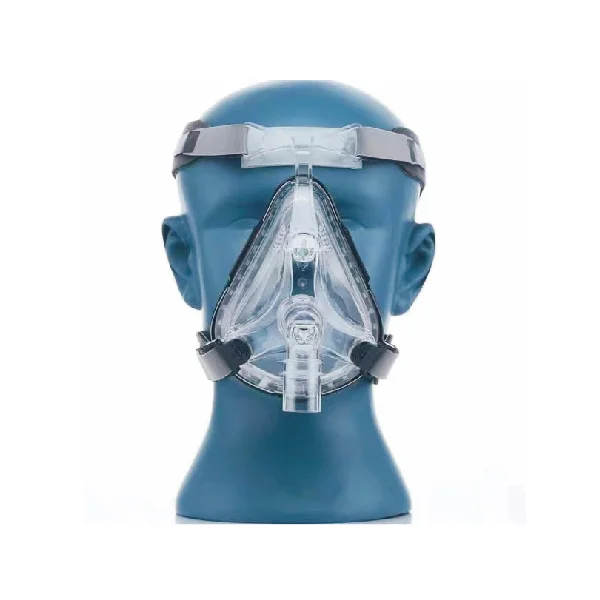
Medical device designers care about friction for a simple reason: friction becomes force, wear, pain, and inconsistency. Elkem highlights needleless valves as a critical example, noting that slit healing in silicone septa can threaten valve functionality after sterilization, while self-lubricating LSR helps reduce slit-healing tendency and improves motion in the plastic housing. Momentive’s self-lubricating healthcare brochure also states that its material family is compliant with USP Class VI and ISO 10993 parts 5, 6, 10, and 11.
For B2B buyers evaluating medical grade silicone, the key point is that “medical grade” is never just marketing language. FDA’s guidance on ISO 10993-1 frames biocompatibility evaluation as part of a risk-based process for medical devices, and ISO itself describes ISO 10993-1 as the cornerstone standard for assessing biological safety. Mosensil says its LIM6200 medical-grade LSR series has been tested to ISO 10993 and is used for catheters, balloons, tubing, and related devices. Readers comparing suppliers can review Mosensil’s medical-grade LSR solutions for a practical benchmark.
Food Safety with Food Grade Silicone
The same low-friction logic can matter in food-contact equipment, especially where parts must move smoothly without external grease migrating into the product zone. But the engineering rule here is strict: not every self-lubricating LSR is automatically food grade silicone. In the United States, repeated-use rubber articles that contact food are governed by 21 CFR 177.2600, and formulation, extractables, and process control all matter.
Mosensil’s food-grade LSR product page states that its MS2800 series is high-transparency, reinforced with white carbon black, certified to ROHS, REACH, FDA, and LFGB, and intended for baby products, kitchenware, and swimming gear. For buyers serving infant-care or premium kitchenware brands, that combination of regulatory positioning and wide hardness range is often more important than a headline price per kilogram. An internal reference point is Mosensil’s food-grade LSR for baby and child products.
Case Studies of Successful Applications
Medical Devices
A strong public case comes from needleless valves. Elkem explains that silicone is favored in these devices for biocompatibility, chemical inertness, environmental stability, and physical performance, but also notes that slit healing can create safety and efficiency issues. Its self-lubricating LSR approach reduced slit healing, lowered post-processing needs, and improved valve movement consistency inside the plastic housing. That is a clear example of self-lubrication solving a functional defect rather than just making a part feel smoother.
Automotive Parts
Automotive electrical connectors are another strong fit. Dow’s SILASTIC 9201-50 LSR is explicitly described as a self-lubricating, oil-filled injection-molding LSR for automotive electrical connector seals, weatherpack seals, radial seals, and gaskets, with low compression set and low viscosity. Momentive also states that its self-lubricating Silopren LSR 3186/50 is broadly used for automotive connector seals, and its elastomer brochure says self-lubricating LSRs have a long track record with major tiers and OEMs in single-wire seals, radial seals, and family-seal systems for electrical connectors.
Consumer Products
Public consumer case studies are less often named, but the manufacturing logic is similar. Elkem reports that self-lubricating parts feed more easily and consistently in automated assembly, and Mosensil describes consumer-goods applications where built-in lubrication improves smooth movement and usability. In practice, that matters for products with snap-fit seals, moving interfaces, or automated high-cavity assembly where tacky silicone parts can slow output.
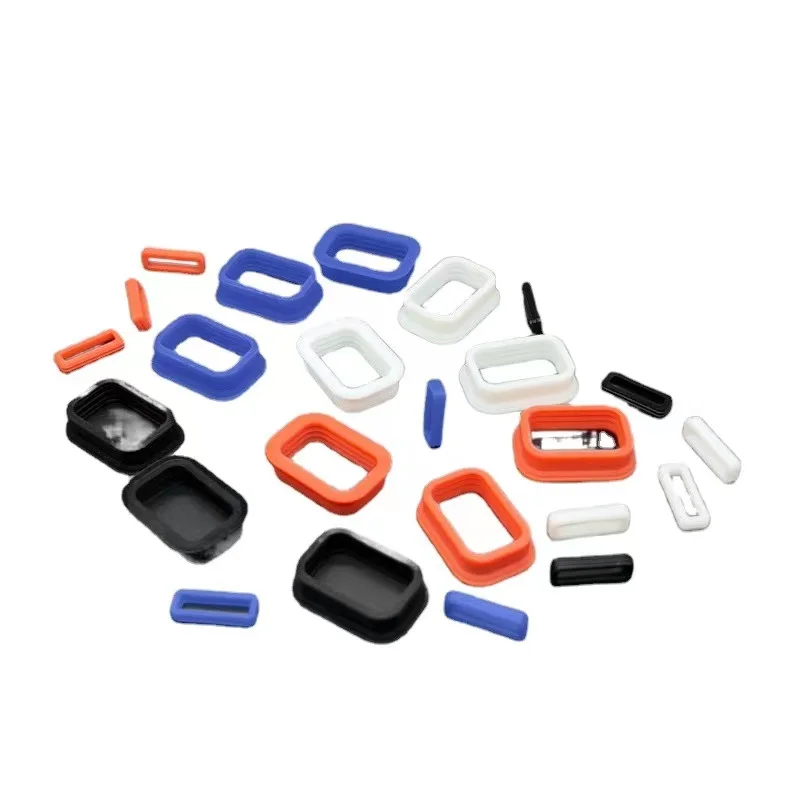
Silicone Injection Molding: Enhancing Production Efficiency
Automation and Technology Integration
Self-lubricating LSR fits naturally with silicone injection molding because the base process is already automation-friendly. Dow states that LSR is designed for high-speed processing and lower production costs, and its molding guide notes that many producers are attracted by the high level of automation and productivity. A commercial self-lubricating grade from Momentive lists viscosities around 580–600 Pa·s at 20°C, a 1:1 mix ratio, and cure conditions in heated molds around 170–230°C where curing can occur within seconds.
For new factories, that combination is valuable because it shortens the path from raw drums to a stable molding cell. Mosensil also emphasizes R&D-to-mass-production support, rapid prototyping, and flexible service on its homepage, which is exactly what a new B2B plant or a buyer replacing an unstable supplier usually needs from a materials partner.
Quality Control and Testing
Quality control for self-lubricating LSR has to go beyond the usual Shore A and tensile checks. The engineer needs to confirm bloom timing, assembly force, extraction or migration limits for regulated uses, compression set, sterilization stability where applicable, and whether added pigments change lubricity. Momentive specifically warns that lubricant migration depends on geometry, pigments, storage time, and storage temperature.
That is why supplier qualification matters. Mosensil says it offers certified systems, application-specific customization, and dedicated after-sales engineering support, and its recent guidance on procurement stresses checking certifications, mechanical testing, supplier capability, and material-performance factors before purchase. Buyers who are still screening vendors can use how to evaluate LSR material quality before purchasing as a procurement checklist.
Challenges and Considerations
Material Selection and Testing
The biggest technical mistake is treating self-lubricating LSR as a drop-in commodity. If the part needs very low friction but also high tear strength, low compression set, and medical or food compliance, the formulator may need trade-offs. Too much fluid can increase bleed and contamination risk; too little may not deliver enough slip. Elkem’s account of mold-fouling competitor products is a good reminder that excess oil is not a benefit by itself.
Design for Manufacturing
Design still controls performance. Dow’s injection-molding guide lists classic failure patterns such as flash caused by excessive shot size or pressure, tacky uncured parts caused by short vulcanization time or low tool temperature, and demolding issues caused by excessive hold time or non-ideal tool construction. With self-lubricating grades, engineers must also design around how much surface area is available for controlled lubricant migration and how the part will be stored before assembly.
The Future of Self-Lubricating LSR
Research and Development Directions
The development direction is clear: better control of lubricant release, lower mold fouling, higher regulatory confidence, and application-specific grades for seals, valves, connectors, and soft-touch assemblies. On Mosensil’s solution pages, the company is already framing this as customized oil control, global certification support, and formulation tuning for automotive, industrial, and regulated markets. For procurement teams that care as much about supplier responsiveness as chemistry, that approach is commercially important.
Market Growth and Opportunities
Opportunity is strongest where friction reduction also saves labor or protects reliability: medical connectors, EV and automotive electrical seals, automation-friendly consumer assemblies, and regulated food-contact components. Recent supplier materials from Dow and Momentive keep pointing to those same categories—automotive electrical connector seals, medical access valves, industrial sealing systems, and food-contact capable LSR platforms—which suggests the market is not chasing novelty for its own sake; it is rewarding materials that remove process steps and stabilize performance. If that aligns with your roadmap, the most direct next step is to contact the Mosensil engineering team and validate a custom grade on your own tooling.
Conclusion: Transforming Industries with Self-Lubricating LSR
Self-lubricating LSR is valuable because it solves two problems at once: it preserves the thermal stability, precision molding, and clean processing advantages of platinum-cured silicone elastomers, and it adds a built-in low-friction surface that can remove secondary lubrication and improve assembly consistency. In modern industries, that is not a niche benefit. It affects yield, downtime, cleanliness, and device reliability across medical, automotive, food-contact, and consumer applications.
For B2B buyers—especially new factories building a silicone line or mature plants looking to replace a supplier—the winning strategy is not to buy the cheapest rubber compounds. It is to choose a supplier that can match slip behavior, cure profile, hardness, compliance, and molding performance to the real application. Mosensil’s combination of self-lubricating oil-bleeding LSR solutions, medical and food-grade product lines, silicone additives capability, and rapid technical support makes that conversation worth having.

http://www.mosensil.com
mosensil -
AuthorPosts

- You must be logged in to reply to this topic.