
- This topic is empty.
-
AuthorPosts
-
2026-09-07 at 2:55 pm #12877
Anhui Eapearl Chemical | Cocamidopropyl Amine Oxide (CAO-30 / CAO-35) pH-Responsive Amphoteric Surfactant Series
Anhui Eapearl Chemical Co., Ltd. is a professional manufacturer of surfactant raw materials integrating R&D, synthetic production, cross-regional warehousing and formulation technical services. It realizes full-process independent synthesis of anionic, amphoteric and nonionic detergent surfactants, equipped with complete amine oxide production lines and standardized full-process quality control systems. We provide graded raw materials and integrated formulation solutions for daily chemicals, household cleaners and industrial disinfection industries.
I. Standard Chemical Dossier of Product
1. Basic Identification Information
Standard Chinese Name: Cocamidopropyl Amine Oxide
Common Abbreviation: CAO, CAPO, Amine Oxide
Full English Name: Cocamidopropylamine Oxide
INCI Standard Name: Cocamidopropylamine Oxide
CAS No.: 68155-09-9
EINECS No.: 269-292-8
General Molecular Formula: RCONH(CH2)3N(CH3)2→O
Carbon Chain Composition: R = natural mixed C₁₂~C₁₄ coconut alkyl groups
Synthesis Process: Natural coconut fatty acids undergo high-temperature amidation with dimethylaminopropylamine (DMAPA) to produce tertiary amine intermediates, followed by oxidation and refining with hydrogen peroxide. Supported by self-owned amine oxide production lines, the enterprise adopts closed-loop full-process control to limit two restricted impurities: free tertiary amine and residual hydrogen peroxide.
Applicable Standards:
1. Group Standard T/GDCDC 006-2018 Fatty Amidopropyl Amine Oxide for Daily Chemicals
2. Technical Specification for Cosmetic Safety (2022 Edition) (Domestic control standard for cosmetic raw material impurities) Global Compliance Framework: EU Regulation (EC) No 1223/2009 CosIng Raw Material Inventory, EU REACH Pre-registration, OECD 301B Closed-Bottle Biodegradation Test, Globally Harmonized System (GHS) of Classification and Labelling of Chemicals
Two Standard Commercial Grades (Uniform Test Conditions: 25℃, Relative Humidity 50%, Aqueous System)
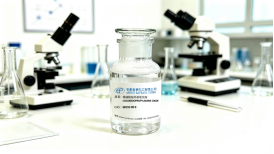
1. CAO-30 General Mild Grade: 30±2% active amine oxide content, colorless to pale yellow viscous transparent liquid, packed in 200kg anti-corrosion lined plastic drums
2. CAO-35 High-Activity Boosting Grade: 35±2% active amine oxide content, colorless to pale yellow high-viscosity transparent liquid, packed in 200kg anti-corrosion lined plastic drums
2. National Group Standard & Eapearl Dual-Grade Internal Control Physicochemical Indexes
Test Item
Premium Limit of T/GDCDC 006-2018
Eapearl CAO-30 General Mild Grade
Eapearl CAO-35 High-Activity Boosting Grade
Standard Test Method
Active Amine Oxide Content
≥30.0%
30±2%
35±2%
Potentiometric Titration
Free Tertiary Amine (Residual DMAPA)
≤0.5%
≤0.4%
≤0.5%
GC Quantitative Analysis
Residual Hydrogen Peroxide
≤0.5%
≤0.3%
≤0.4%
Redox Titration
pH of 10% Aqueous Solution (25℃)
6.0~8.0
6.2~7.8
6.0~7.5
GB/T 6368 Potentiometric Titration
Hazen Color of 5% Aqueous Solution
≤100
≤80
≤90
GB/T 3143 Spectrophotometry
Dynamic Viscosity at 20℃ (mPa·s)
No mandatory limit
1200~2200
2500~4000
GB/T 15357 Rotational Viscometry
28-Day OECD 301B Biodegradability
≥90%
≥96%
≥95%
Closed-Bottle CO₂ Evolution Test
Draize Rabbit Skin Irritation Grade
Low Irritation
Extremely Low Irritation
Low Irritation
Cosmetic Toxicity Evaluation Specification
Compliance Professional Notes
1. CAO features dual pH responsiveness: it exhibits cationic amphoteric properties under acidic conditions and converts to nonionic surfactants under neutral/alkaline environments. Its molecular structure contains no secondary amines or sulfate groups, eliminating risks of nitrosamine formation, making it a core exclusive raw material for sulfate-free cleansing systems.
2. It achieves ≥95% 28-day biodegradability without persistent metabolic by-products, complying with mandatory biodegradation regulations for EU detergents and cosmetics.
3. The polar oxygen group of amine oxide delivers outstanding antioxidant capacity and can be stably compounded with hypochlorite bleaching ingredients, a differentiated core advantage unavailable to CAB betaine surfactants.
4. The product strictly limits residual free tertiary amine and hydrogen peroxide; all indexes meet compliance thresholds for infant care, food-contact dishwashing and EU export cosmetics across all application scenarios.
II. Molecular Interfacial Chemistry, Grade Performance Differences & Compounding Synergy Logic
2.1 Standard pH-Responsive Interfacial Mechanism of CAO
As a core self-produced amphoteric matching surfactant of our company, CAO is a pH-reversible amphoteric/quasi-nonionic composite surfactant composed of three segments: hydrophobic coconut alkyl chain, amide linking group and dimethylamine oxide hydrophilic terminal. Six core differentiated interfacial chemical mechanisms are listed below:
1. High-Efficiency Wormlike Micelle Thickening Mechanism Polar oxygen atoms of amine oxide form strong intermolecular hydrogen bonds with anionic surfactants such as AES and K12, reconstructing spherical micelles into long entangled wormlike structures. With equal dosage, its thickening efficiency is superior to CAB betaine; a small amount of sodium chloride electrolyte can greatly boost viscosity and reduce the dosage of alkanolamide thickeners in formulas.
2. Broad Compatibility & Anti-Bleaching Antioxidant Unique Advantage The hydrophilic backbone of amine oxide features high chemical stability and can be stably blended with hypochlorite and high-oxidation disinfectants without stratification or performance loss. CAB betaine contains carboxylate anions and is prone to oxidative degradation upon contact with hypochlorite, which disqualifies it for chlorinated disinfection formulas.
3. Irritation Reduction Mechanism for Anionic Surfactants Under acidic conditions, CAO carries positive charges and forms ion-associated mixed micelles with negatively charged AES/K12 sulfate groups, neutralizing anion charge intensity and mitigating peeling damage to the stratum corneum lipid bilayer. Under equivalent detergency and foaming capacity, skin irritation of the system is significantly reduced, ideal for premium mild sulfate-free cleansing formulas.
4. Long-Lasting Foam Stabilization in Hard Water Amine oxide hydrophilic groups chelate Ca²⁺ and Mg²⁺ in water to inhibit lime soap precipitation and foam collapse of LAS/AES systems. It generates creamy, elastic foam with nearly unchanged retention time in both soft and hard water.
5. Hair & Skin Conditioning Anti-Static Function Cationic structure under acid conditions adsorbs hair cuticles and skin scales to form a smooth lubricating film, lowering friction during wet/dry combing and static accumulation. It can partially replace cationic conditioners while maintaining mildness.
6. Chemical Stability Window Stable pH range: 3~11. Long-term storage or processing above 70℃ triggers slow amide hydrolysis, raising free tertiary amine content and causing irreversible loss of thickening & foaming performance. Long-term coexistence with high-concentration strong reducing agents destroys the polar oxide structure and fully deactivates foaming & thickening functions.
2.2 Performance Selection Table: CAO-30 vs CAO-35
Comparison Dimension
CAO-30 General
Mild Grade
CAO-35 High-Activity Boosting Grade
Formulation
Selection Logic
Active Matter Concentration
30±2%
35±2%
Select CAO-35 for high-dosage mass formulas to reduce raw material feeding amount
Free Tertiary Amine Limit
≤0.4% (Lower)
≤0.5%
Mandatory CAO-30 for tear-free infant care & EU export cosmetics
Unit Thickening Efficiency
Good
Excellent, viscosity rises by 30% with equal dosage
Prioritize CAO-35 for shampoo & concentrated cleaners to save auxiliary thickeners
Foam Texture
Fine creamy foam with minimal eye irritation
Fast foaming, rich foam volume
CAO-30 preferred for weak-acid & infant cleansing products
Cost per
Active Unit
Higher unit price
Lower mass-production cost
CAO-35 for mass household cleaners
Main Application Fields
Premium sulfate-free shampoo, infant care, sensitive skin cleansers, food-contact dishwashing
Concentrated laundry liquid, bleach disinfectants, adult body wash
CAO-35 is mainstream for mass cosmetic manufacturing
2.3 Core Performance Comparison: CAO vs CAB Betaine
Comparison Dimension
CAO
Cocamidopropyl Amine Oxide
CAB
Cocamidopropyl Betaine
Formulation Differentiation Standard
Thickening Capacity
Higher thickening
efficiency than CAB
Moderate
thickening effect
Select CAO for high-viscosity low-cost cleansing formulas
Hypochlorite Compatibility
Stable against oxidation without degradation
Prone to oxidation, foam collapse and stratification failure
Only CAO can be used for chlorinated bleach & disinfectant formulas
pH Response Feature
Cationic under acidic conditions;
nonionic under neutral & alkaline conditions
Permanently amphoteric over the full pH range
CAO is more suitable for acidic conditioning and oxidative
disinfection formulas
28-Day Biodegradability
≥95%
≥95%
Both meet domestic and international environmental standards
Main Application Scenarios
Sulfate-free
care
products,
bleach
disinfectants, premium mild cleansers
Conventional
sulfate
shampoo,
Neutral
household cleaners
Choose CAO for
formulas requiring
bleach resistance, high viscosity or sulfate-free systems
2.4 Standard Ternary Compounding Logic for Sulfate-Free Cleansing
Premium Conditioning Shampoo Base Formula: Mild Amino Acid Surfactant / Modified Low-Irritation AES + CAO + APG
1. Functional Division: Amino acid/modified AES provides basic oil removal and foaming matrix; CAO undertakes four core functions: high-efficiency thickening, long-lasting foam stabilization, irritation reduction & hair anti-static conditioning; APG assists to raise bio-based ratio and optimize post-wash skin feel.
2. Quantified Synergy Effect: Addition of 3~7% CAO active matter cuts system irritation by over 50% and triples foam retention time with greatly expanded adjustable viscosity range, eliminating the need for extra alkanolamide thickeners.
3. Compatibility Expansion: Can be blended at any ratio with all anionic, amphoteric & nonionic surfactants and compatible with hypochlorite oxidants for multi-functional cleaner development.
2.5 Mandatory Process Limits for Formulation & Warehousing
1. Warehouse Temperature Control: Hermetically sealed cool warehouse at 15~40℃. Long-term storage above 70℃ triggers amide hydrolysis with permanent deterioration of thickening & foaming performance.
2. Feeding Specification: Liquid raw materials can be dispersed under low-speed stirring at ambient temperature; slight turbidity after cold storage disappears after heating to 25℃ and homogenization.
3. pH Adaptation Window: Stable at pH 3~11; long contact with concentrated strong acids causes irreversible cleavage of amide bonds.
4. Export Compliance Tip: Select CAO-30 low-free-tertiary-amine grade for infant care exports to Europe & Southeast Asia; third-party GC impurity test reports are available for factory audits & customs clearance.
III. Standard Application Scenarios & Dosing Specifications
3.1 Premium Sulfate-Free, Infant & Sensitive Skin Care (Main Grade: CAO-30)
1. Sulfate-Free Shampoo & Silicone-Free Conditioning Wash: 3~7% CAO active dosage, fully replace CAB system for soft anti-static hair without irritation.
2. Tear-Free Infant Foam Body Wash & Weak-Acid Facial Cleanser: 1~4% dosage compounded with APG, no stinging upon eye contact.
3. Mild Phosphate-Free Laundry Liquid for Infant Garments: 1.5~4% dosage, easy rinsing with no sensitizing residues.
3.2 Household Dishwashing & Neutral Multi-Surface Cleaners (CAO-30 / CAO-35 Interchangeable)
1. Premium Food-Grade Transparent Dish Soap: 5~12% active dosage, mitigate degreasing irritation of LAS/AES blends with no tight hand feel after rinsing.
2. Neutral Floor & Glass Cleaner: 0.5~3% dosage, fine foam and streak-free drying.
3.3 Chlorinated Bleaching & Industrial Disinfection Systems (All CA Grades Applicable)
1. Sodium Hypochlorite Household Bleach & Public Sanitizer: 2~6% active dosage, stable foam to extend disinfectant contact time without oxidation failure.
2. Alkaline Spray Degreaser for Food Processing Lines: 1~5% dosage, stable performance under high/low temperature with no equipment corrosion.
Standard Production Operation Specifications
1. Feed liquid CAO directly into aqueous phase under low-speed stirring; heat turbid cold material to 25℃ and fully homogenize before use.
2. Fully replace CAB with CAO for sulfate-free mild formulas to lower irritation; CAB is prohibited for bleach & disinfection formulas.
3. Third-party test reports for free tertiary amine & hydrogen peroxide can be supplied for cosmetic export orders.
IV. One-Stop Supply Advantages of Full Detergent Surfactants
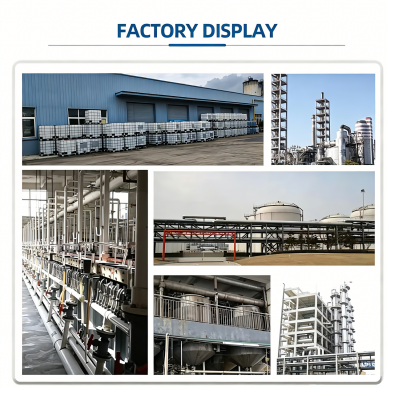
Anhui Eapearl Chemical operates complete independent production lines for anionic, amphoteric and nonionic detergent surfactants, self-manufacturing CAO together with AES, AESA, LAS, K12, AOS, CMEA, CAB and APG to deliver one-stop raw material procurement for daily chemical & disinfection manufacturers.
1. Permanent stock of dual CAO grades CAO-30 mild low-irritation and CAO-35 high-activity grades are always in stock, matched with full detergent surfactant portfolio to cut multi-supplier inspection, warehousing & communication costs. This product was showcased as core eco-friendly raw material for sulfate-free care & disinfection at the 2026 IES Fine Chemical Exhibition.
2. Two grades matching global compliance standards
· CAO-30 Low Free Amine Grade: For tear-free infant care, sensitive skin cleansers & EU cosmetic exports
· CAO-35 High-Activity Economic Grade: For concentrated laundry, bleach disinfectants & mass body wash with superior mass-production cost efficiency
1. Cross-regional standardized warehousing network Central warehouse in Tongling linked with dedicated chemical warehouses in Nanjing, Hefei, Shanghai & Zibo; same-day delivery for Yangtze River Delta orders with ten-thousand-ton permanent CAO inventory to guarantee uninterrupted supply.
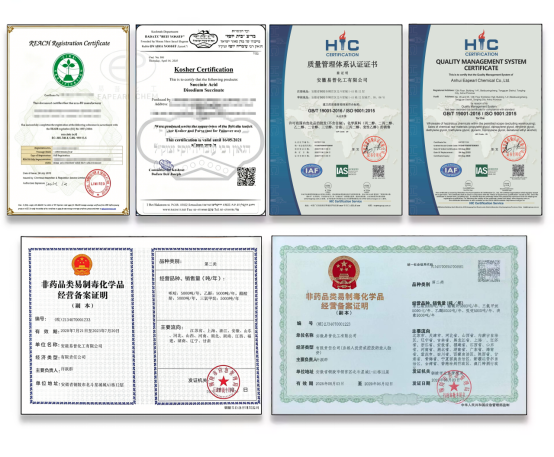
2. Complete domestic & export compliance documents Chinese & English COA and 16-section GHS SDS issued per batch. Products complete REACH pre-registration with no SVHC substances. Special GC test reports for free tertiary amine are attached to CAO-30 to pass customs clearance in nearly 200 countries worldwide.
3. Customized formulation technical support Chemical engineers provide standard base formulas for sulfate-free shampoo, infant body wash & food dish soap, solving common defects such as foam collapse, insufficient viscosity and stratification at low temperature.
4. Unified standardized packaging Both CAO-30 and CAO-35 adopt 200kg anti-corrosion lined plastic drums; bulk tank truck delivery available for large industrial orders.
V. Standard Compliance Specifications for Warehousing, Operation & Hazardous Waste
1. Mandatory Warehouse Temperature Standard: Hermetically sealed cool dry warehouse at 15~40℃. Long-term storage above 70℃ triggers amide hydrolysis leading to permanent loss of thickening & foaming performance.
2. Warehouse Compatibility Rule: Do not store alongside concentrated strong reducing agents to prevent oxidation of amine oxide structure and product discoloration/degradation.
3. Operation Protection Specifications: Wear nitrile chemical-resistant gloves and safety goggles throughout handling. Stock solution only causes mild mucosal irritation; regular workshop ventilation suffices.
4. Waste Liquid Disposal Standard: Wastewater falls under HW09 oil-water emulsified hazardous waste (Code 900-007-09) per National Hazardous Waste Catalogue (2021). Disposal must be entrusted to qualified institutions; direct discharge into water bodies or municipal sewers is strictly forbidden.
5. Marine Shipment GHS Specification: Classified as mild irritant amphoteric organic surfactant, not high-risk dangerous goods. Complete IMDG-compliant English SDS provided for export shipments.
VI. Conclusion
Cocamidopropyl Amine Oxide (CAO / CAPO) is a pH-reversible amphoteric surfactant with unique amine oxide polar oxygen molecular structure, featuring five core strengths: superior thickening capacity, hypochlorite oxidation resistance, low skin irritation, full biodegradability and universal compound compatibility. CAO-30 low-free-amine grade fits premium infant & sensitive skin sulfate-free formulas; CAO-35 high-activity grade serves mass laundry & industrial bleach disinfection production, acting as exclusive green matching surfactant distinct from CAB betaine for cleansing & disinfection full scenarios. As a professional full-range surfactant R&D & manufacturing enterprise, Anhui Eapearl Chemical mass-produces CAO-30 and CAO-35 alongside a complete portfolio of anionic/amphoteric/nonionic detergent raw materials, categorized for premium mild care, mass daily chemicals and industrial disinfection applications. Full test certificates compliant with national & EU regulations are available, together with formulation debugging & sample verification services. Stable long-term supply is offered to infant care factories, dishwashing manufacturers, disinfection raw material producers and global foreign trade buyers.
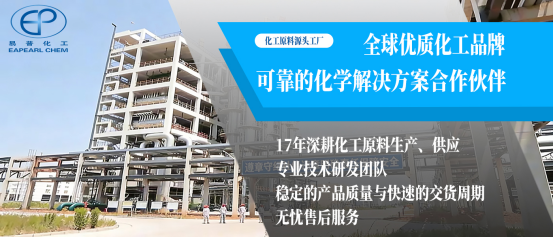
Corporate Information
Anhui Eapearl Chemical Co., Ltd.
Shanghai Eapearl Industrial Co., Ltd.
Overseas Subsidiary:PT Indonesia Eapearl Chemical
Website:epchems.com
Contact:+86-18656201888(Whatsapp / Wechat)
E-Mail:sales@epchems.com
Addresses
Anhui Headquarters No.518 Tongguanshu Valley, Tongguan District, Tongling City, Anhui Province, P.R.China
Shanghai Warehouse & Office No.918 Zhenchen Road, Baoshan Urban Industrial Park, Baoshan District, Shanghai, P.R.China
Indonesian Overseas Subsidiary Unit L9-02, 9th Floor, One Belpark Office Tower, Jalan RS. Fatmawati No.1, Pondok Labu, Cilandak, South Jakarta Administrative City, Republic of Indonesia
http://www.epchems.com
安徽易普化工有限公司 -
AuthorPosts

- You must be logged in to reply to this topic.