
- This topic is empty.
-
AuthorPosts
-
2026-08-17 at 2:17 pm #12688
Buying a transformer is not simply a matter of comparing rated capacity and price. For industrial facilities, commercial buildings, renewable energy projects, data centers, transportation systems, and other power applications, transformer quality directly affects electrical reliability, operating costs, maintenance requirements, and service life.
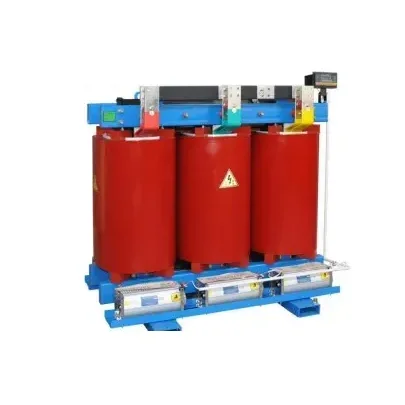
A dry-type transformer can provide safe and reliable voltage transformation without the use of insulating oil, making it a practical choice for many indoor and environmentally sensitive installations. However, not every dry-type transformer offers the same level of performance. Differences in insulation materials, winding construction, manufacturing processes, cooling design, testing procedures, and quality control can have a significant impact on long-term operation.
For buyers, the challenge is knowing what to check before placing an order. A low purchase price may look attractive initially, but if the transformer experiences excessive temperature rise, insulation problems, abnormal noise, or premature failure, the total cost can quickly become much higher.
This guide explains the key factors buyers should examine when evaluating dry-type transformer quality, from technical specifications and materials to factory testing and supplier capabilities.
1. Start With the Transformer’s Application Requirements
Before evaluating a supplier or comparing different models, clearly define how the transformer will be used.
The right dry-type transformer depends on the characteristics of the electrical system. A transformer designed for a commercial building may have very different requirements from one used in a factory, renewable energy project, marine application, or heavy industrial facility.
Important parameters include:
-
Rated capacity
-
Primary voltage
-
Secondary voltage
-
Frequency
-
Number of phases
-
Insulation class
-
Temperature rise
-
Cooling method
-
Installation environment
-
Protection requirements
-
Load characteristics
For example, a transformer operating continuously in a manufacturing plant may experience a very different thermal load from one installed in a commercial building with relatively predictable demand.
If the application requirements are unclear, it becomes difficult to determine whether a supplier's product is actually suitable.
A reliable dry-type transformer manufacturer should be able to review your electrical requirements and recommend an appropriate configuration rather than simply offering a standard model based on capacity.
2. Check the Rated Capacity and Voltage Specifications
Rated capacity is one of the first specifications buyers usually compare, but it should not be considered in isolation.
A transformer should have sufficient capacity for the current load while allowing reasonable room for future expansion. Selecting a transformer that is consistently overloaded can result in excessive temperature rise and accelerated insulation aging.
At the same time, choosing a significantly oversized transformer may increase the initial investment and result in unnecessary no-load losses.
When evaluating a transformer, verify:
-
Rated power capacity
-
Primary voltage
-
Secondary voltage
-
Frequency
-
Voltage regulation
-
Tap configuration
-
Phase configuration
The information on the manufacturer's technical datasheet should match the requirements in your project specifications.
For large projects, buyers should also confirm that the nameplate information, drawings, technical proposal, and final inspection documents are consistent.
3. Examine the Insulation System
The insulation system is one of the most important indicators of dry-type transformer quality.
Because a dry-type transformer does not use liquid insulation, its winding insulation system plays a particularly important role in electrical safety and long-term reliability.
Depending on the design, manufacturers may use different insulation technologies, including cast resin and vacuum pressure impregnation systems.
A quality insulation system should provide good resistance to:
-
Thermal stress
-
Electrical stress
-
Moisture
-
Mechanical vibration
-
Environmental contamination
Buyers should ask the manufacturer what insulation materials are used and how the insulation system is processed during production.
For cast resin dry-type transformers, the quality of the resin system and casting process can directly influence winding protection. Poor casting quality may result in voids, cracks, or uneven insulation that can become problematic during long-term operation.
Do not evaluate insulation quality solely based on the product brochure. Ask for technical documentation and relevant test results.
4. Pay Attention to Winding Construction
The winding is another critical component that directly affects transformer performance.
During evaluation, buyers should understand:
-
Winding material
-
Winding configuration
-
Conductor cross-section
-
Insulation structure
-
Mechanical support
-
Manufacturing process
Copper and aluminum are both commonly used conductor materials, but their electrical characteristics, weight, cost, and thermal performance differ.
The important issue is not simply whether a transformer uses copper or aluminum. The overall winding design should be appropriate for the rated load and operating conditions.
Mechanical strength is also important. Transformers may experience electromagnetic forces during short-circuit conditions. A well-designed winding structure should be capable of withstanding these forces without excessive deformation.
For applications involving transportation, vibration, or demanding industrial environments, mechanical construction deserves even more attention.
5. Evaluate Temperature Rise and Cooling Performance
Heat is one of the major factors affecting transformer service life.
A transformer continuously converts electrical energy and inevitably generates heat. If this heat cannot be effectively dissipated, winding temperature will increase and insulation aging will accelerate.
When evaluating a dry-type transformer, buyers should review:
-
Rated temperature rise
-
Insulation temperature class
-
Cooling method
-
Ventilation design
-
Temperature monitoring system
-
Forced-air cooling options
Some transformers rely on natural air circulation, while others can be equipped with forced-air cooling fans when additional capacity or thermal performance is required.
However, simply adding cooling fans does not automatically make a transformer better. The entire thermal design should be considered, including winding structure, ventilation paths, enclosure design, and installation conditions.
Ask the manufacturer to provide temperature-rise test results where applicable. These records provide more meaningful evidence than general statements such as "high efficiency" or "excellent cooling."
6. Review Electrical Losses and Efficiency
Transformer efficiency affects the operating cost over the entire service life.
There are two major categories of transformer losses:
No-Load Losses
These losses occur whenever the transformer is energized, even when there is little or no load.
Load Losses
These losses increase as the transformer carries electrical current and are mainly associated with winding resistance and other load-related effects.
When comparing two dry-type transformers, buyers should consider both the purchase price and expected energy losses.
A transformer with a slightly higher initial price may be more economical over its operating life if it provides lower losses and better efficiency.
Ask suppliers for actual technical data rather than relying solely on general efficiency claims.
7. Check Noise and Vibration Performance
Noise may not be the first thing buyers consider, but it can become a significant issue after installation.
Transformers naturally produce electromagnetic noise. However, excessive noise or vibration may indicate problems with the core, winding structure, mounting system, or other mechanical components.
This is particularly important when the transformer is installed in:
-
Office buildings
-
Hospitals
-
Hotels
-
Residential developments
-
Data centers
-
Laboratories
During supplier evaluation, ask about the transformer's sound level and whether noise testing is included in the factory inspection process.
A quality dry-type transformer should operate within the specified noise limits under normal conditions.
8. Inspect the Transformer Core
The core is responsible for providing the magnetic path necessary for voltage transformation.
Although it may not receive as much attention as the winding system, core construction has a direct impact on transformer losses, efficiency, noise, and reliability.
When evaluating core quality, consider:
-
Core material
-
Lamination quality
-
Core assembly
-
Joint construction
-
Mechanical clamping
-
Surface treatment
Poor core assembly can result in increased vibration and noise. Improper manufacturing may also increase magnetic losses.
For large-volume purchases, buyers should ask the manufacturer about the materials used for the core and whether incoming material inspection is part of the quality-control process.
9. Review Factory Testing Procedures
One of the most reliable ways to evaluate a dry-type transformer supplier is to understand its factory testing process.
A professional manufacturer should have a defined inspection and testing procedure covering raw materials, production processes, assembly, and final products.
Depending on the transformer design and applicable standards, testing may include:
-
Winding resistance testing
-
Insulation resistance testing
-
Ratio testing
-
Polarity and phase relationship checks
-
Applied voltage testing
-
Induced voltage testing
-
No-load loss testing
-
Load loss testing
-
Temperature-rise testing
-
Partial discharge testing where applicable
The exact tests required will depend on the transformer type, rating, applicable standards, and project specifications.
Buyers should request sample test reports and clarify which tests will be performed on their actual units before shipment.
This is particularly important for large or customized orders.
10. Verify Compliance With Applicable Standards
A transformer should meet the standards and certification requirements relevant to its destination market and application.
Depending on the project, buyers may need to consider international or regional standards and certification requirements.
Instead of simply asking whether a manufacturer is "certified," request the actual documentation and verify that the certification applies to the relevant product range.
Also check whether the manufacturer's testing procedures are aligned with the standards specified in your project documents.
For international procurement, this step can prevent expensive problems during customs clearance, installation, inspection, or project acceptance.
11. Evaluate the Enclosure and Protection Design
The transformer enclosure protects internal components from the surrounding environment and also provides additional protection for personnel.
The required enclosure design depends on where the transformer will be installed.
For example, an indoor electrical room may have different requirements from a dusty industrial plant or a location exposed to moisture.
Consider:
-
Enclosure material
-
Protection rating
-
Ventilation openings
-
Cable entry design
-
Access doors
-
Grounding provisions
-
Corrosion protection
If the transformer will operate in a harsh environment, tell the manufacturer before production. A standard enclosure may not provide sufficient protection for every application.
12. Ask About Temperature Monitoring and Protection
Modern dry-type transformers can be equipped with temperature sensors and monitoring systems that provide early warning of abnormal operating conditions.
Temperature monitoring may help operators identify:
-
Overloading
-
Poor ventilation
-
Cooling fan failure
-
Abnormal temperature rise
-
Uneven thermal conditions
For critical facilities, this information can be integrated into the building management system or other monitoring infrastructure.
When comparing suppliers, determine whether temperature monitoring is included as standard or available as an optional configuration.
13. Consider the Manufacturing Process, Not Just the Final Product
Two manufacturers may offer transformers with similar technical specifications but very different manufacturing capabilities.
This is why supplier evaluation is just as important as product evaluation.
A reliable dry-type transformer manufacturer should have clear processes for:
-
Raw material inspection
-
Component processing
-
Winding production
-
Insulation treatment
-
Core assembly
-
Transformer assembly
-
Electrical testing
-
Final inspection
-
Packaging and shipment
Ask how production quality is controlled at each stage.
For example, if a manufacturer purchases critical insulation materials from uncontrolled sources, the final product may have inconsistent performance even if the transformer looks good externally.
Stable raw material sourcing and process control are important indicators of manufacturing maturity.
Conclusion
Evaluating a dry-type transformer before purchase requires more than checking its price, rated capacity, or appearance. Buyers need to look at the complete product, including insulation, winding construction, core quality, thermal performance, electrical losses, testing procedures, enclosure design, manufacturing processes, and supplier capabilities.
For industrial and commercial applications, transformer reliability has a direct impact on electrical system performance and operating costs. Spending more time on technical evaluation before purchasing can help prevent failures, unexpected maintenance, and costly replacements later.
The best approach is to work with a qualified dry-type transformer manufacturer that can provide transparent technical documentation, reliable factory testing, consistent manufacturing quality, and appropriate customization support.
Whether the transformer is intended for a factory, commercial building, renewable energy project, data center, marine system, or another specialized application, a careful pre-purchase evaluation helps ensure that the selected equipment can deliver stable performance for years to come. A well-designed and properly manufactured dry-type transformer is not simply a component in the electrical system—it is a long-term investment in power reliability, safety, and operational efficiency.
http://www.vensolws.com
vensolws -
-
AuthorPosts

- You must be logged in to reply to this topic.