
- This topic is empty.
-
AuthorPosts
-
2026-05-22 at 10:06 am #11872
In modern aquaculture, water quality management is no longer a secondary operational task—it is the core determinant of survival rate, growth efficiency, and feed conversion ratio. Among all water quality parameters, dissolved oxygen (DO) stability is the most critical factor influencing fish metabolism, immune response, and stocking density capacity.
As aquaculture moves toward high-density, industrialized production systems, oxygenation equipment has evolved from simple aeration devices into precision-engineered oxygen transfer systems designed to maintain stable dissolved oxygen levels under dynamic biological and environmental conditions.
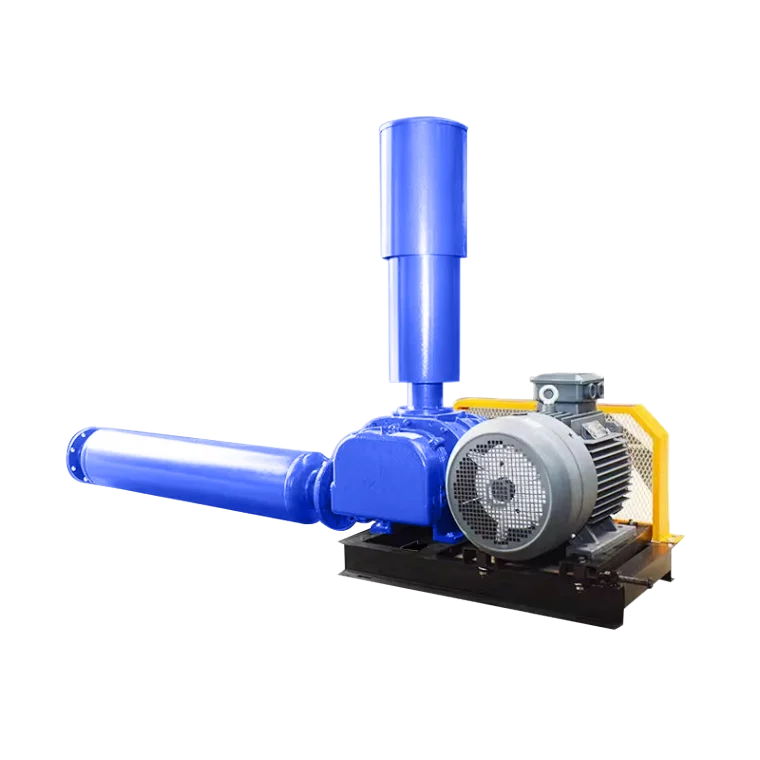
For large-scale fish farms, shrimp ponds, recirculating aquaculture systems (RAS), and industrial aquaculture facilities, oxygenation performance directly impacts:
-
Survival rate consistency
-
Growth cycle duration
-
Feed efficiency ratio (FCR)
-
Disease resistance stability
-
Overall production yield per unit volume
This makes oxygenation system design a core engineering discipline rather than a basic mechanical selection decision.
Why Dissolved Oxygen Stability Defines Aquaculture Productivity
In aquatic environments, oxygen availability fluctuates continuously due to:
-
Biological respiration load
-
Temperature variation
-
Organic decomposition
-
Feed input cycles
-
Water circulation dynamics
When dissolved oxygen levels drop below species-specific thresholds, typically:
-
5–6 mg/L for most warm-water fish
-
6–8 mg/L for high-density intensive farming
the following issues may occur:
-
Reduced feeding activity
-
Slower growth rates
-
Increased ammonia toxicity sensitivity
-
Higher disease susceptibility
-
Sudden mortality under extreme conditions
A high-performance oxygenation equipment system must therefore maintain DO stability within a narrow fluctuation range, even under peak biological load conditions.
Oxygen Transfer Efficiency (OTE): The Core Performance Metric
Oxygenation performance is fundamentally defined by oxygen transfer efficiency (OTE), which measures how effectively oxygen is dissolved into water.
Key influencing factors include:
-
Bubble size distribution
-
Contact time between air and water
-
Water pressure and circulation velocity
-
Oxygen diffusion surface area
-
Turbulence intensity
Smaller bubble sizes generally improve oxygen dissolution efficiency due to increased surface contact area. However, bubble behavior must be balanced with water circulation dynamics to avoid dead zones or uneven oxygen distribution.
Industrial-grade oxygenation systems are designed to optimize:
-
Microbubble generation consistency
-
Flow field uniformity
-
Vertical oxygen penetration depth
-
System-wide DO distribution balance
In large aquaculture ponds or tanks, uneven oxygen distribution is a common failure point that can lead to localized stress zones even when average DO levels appear acceptable.
Mechanical Aeration vs. Modern Oxygenation Systems
Traditional aeration systems such as paddlewheel aerators or simple air blowers rely on surface agitation and passive gas exchange. While cost-effective, these systems often exhibit limitations in:
-
Oxygen distribution depth
-
Energy efficiency per oxygen unit
-
Performance stability under high stocking density
-
Environmental adaptability
Modern oxygenation equipment systems are designed to address these limitations through:
-
Optimized airflow channel design
-
High-efficiency motor-driven compressors
-
Controlled oxygen diffusion mechanisms
-
Intelligent flow regulation systems
The result is a more controlled and predictable oxygen delivery environment, especially important in intensive aquaculture systems.
Motor Efficiency and Its Direct Impact on Operational Cost
In industrial aquaculture operations, oxygenation systems often run continuously for 24 hours a day. As a result, motor efficiency becomes a key driver of long-term operating cost.
Even small improvements in motor efficiency can significantly reduce:
-
Electricity consumption per kilogram of fish produced
-
Heat generation in equipment systems
-
Mechanical wear over time
-
Maintenance frequency
High-performance oxygenation equipment integrates precision motor systems designed for:
-
Stable torque output under variable load
-
High energy conversion efficiency
-
Low vibration operation
-
Extended continuous-duty lifespan
Jiangchen Electric Motor Co., Ltd., specializing in aquaculture power equipment, focuses on developing intelligent motor-driven oxygenation systems designed to address the core challenges of modern aquaculture: efficiency, stability, and energy optimization.
Oxygen Distribution Uniformity in Large Water Bodies
One of the most common engineering challenges in aquaculture oxygenation systems is non-uniform oxygen distribution.
In large ponds or tanks, oxygen concentration can vary significantly due to:
-
Water circulation patterns
-
Equipment placement layout
-
Depth stratification
-
Wind and environmental influence (in outdoor systems)
Without proper design, this can lead to:
-
Oxygen-rich surface zones
-
Oxygen-deficient bottom zones
-
Localized stress areas in fish populations
Advanced oxygenation equipment addresses this through:
-
Multi-point oxygen diffusion layouts
-
Optimized flow field simulation design
-
Vertical oxygen mixing systems
-
Directional water circulation control
These engineering strategies help ensure that oxygen is distributed evenly throughout the entire water column, not just concentrated near the surface.
Energy Efficiency and Cost Per Oxygen Unit
In modern aquaculture operations, energy consumption is one of the largest operational costs after feed.
Therefore, system evaluation is increasingly based on:
-
Energy consumption per kilogram of oxygen dissolved
-
Electricity cost per unit biomass growth
-
System efficiency under variable load conditions
Efficient oxygenation systems aim to maximize oxygen transfer while minimizing energy input.
Key optimization approaches include:
-
High-efficiency impeller or diffuser design
-
Reduced hydraulic resistance pathways
-
Intelligent motor speed control (variable frequency operation)
-
Load-adaptive oxygen output adjustment
A well-designed oxygenation equipment system can significantly reduce total operating cost while improving biological growth efficiency.
System Stability Under Environmental Variation
Aquaculture environments are highly dynamic. Oxygenation systems must perform reliably under:
-
Temperature fluctuations (affecting oxygen solubility)
-
Seasonal water quality changes
-
Sudden rainfall dilution effects
-
High-density feeding cycles
System instability can lead to sudden oxygen crashes, which are among the most critical risks in aquaculture operations.
Modern oxygenation systems are therefore designed with:
-
Redundant oxygen delivery capacity
-
Rapid response control systems
-
Stable motor operation under voltage fluctuation
-
Continuous monitoring integration
This ensures that oxygen levels remain stable even under unexpected environmental changes.
Integration with Smart Aquaculture Systems
The aquaculture industry is increasingly adopting digital monitoring and automation technologies.
Modern oxygenation equipment is often integrated with:
-
Dissolved oxygen sensors
-
Water quality monitoring systems
-
Automated control units
-
Cloud-based farm management platforms
This enables:
-
Real-time oxygen level monitoring
-
Automatic adjustment of oxygen output
-
Predictive maintenance alerts
-
Data-driven feeding optimization
Smart oxygenation systems allow operators to shift from manual control to automated, precision-managed aquaculture environments.
Application Scenarios in Industrial Aquaculture
Oxygenation systems are widely used across different aquaculture models, including:
-
Intensive freshwater fish farming
-
Shrimp pond cultivation
-
Recirculating aquaculture systems (RAS)
-
Hatchery incubation environments
-
Industrial marine aquaculture tanks
Each application requires different oxygen delivery strategies depending on:
-
Stocking density
-
Water volume
-
Species oxygen demand
-
System circulation design
For example:
-
Shrimp farming requires stable bottom oxygen levels to prevent sediment toxicity
-
RAS systems require continuous high-efficiency oxygen recycling
-
Hatcheries require extremely stable low-fluctuation oxygen environments
Reliability and Maintenance Considerations
In continuous aquaculture operations, equipment downtime directly affects biological survival risk.
Key reliability requirements include:
-
Continuous-duty motor operation capability
-
Corrosion resistance in humid environments
-
Stable mechanical structure under long-term load
-
Easy maintenance and component replacement
A robust oxygenation equipment system is designed to minimize unplanned downtime and simplify maintenance procedures, ensuring continuous oxygen supply under all conditions.
Conclusion: Oxygenation as a Core Engineering System in Aquaculture
Modern oxygenation equipment is no longer a simple aeration tool—it is a precision-engineered biological support system that directly determines aquaculture productivity, survival rates, and operational efficiency.
Key engineering priorities include:
-
Stable dissolved oxygen control
-
High oxygen transfer efficiency
-
Uniform distribution across water bodies
-
Energy-efficient motor-driven systems
-
Environmental adaptability and system stability
-
Integration with smart aquaculture monitoring platforms
As aquaculture continues transitioning toward industrial-scale, data-driven production systems, oxygenation technology will play an increasingly central role in determining operational success.
Jiangchen Electric Motor Co., Ltd. focuses on aquaculture power systems and intelligent oxygenation solutions, leveraging advanced motor technology and precision manufacturing to help global aquaculture industries achieve higher efficiency, lower energy consumption, and more stable production outcomes in modern farming environments.
http://www.jiangchenmotor.com
Foshan Jiangchen Electric Motor Co., Ltd. -
-
AuthorPosts

- You must be logged in to reply to this topic.