
- This topic is empty.
-
AuthorPosts
-
2026-06-08 at 12:05 pm #12034
As global sustainability mandates intensify, businesses across automotive, electronics, and consumer goods industries face a critical challenge: how to verify the authenticity, quality, and environmental impact of post-consumer recycled (PCR) plastics. The lack of robust certification and traceability systems has long hindered the adoption of recycled materials in high-value applications, where performance, safety, and regulatory compliance cannot be compromised.
Understanding PCR Plastic Certification Standards
PCR plastic certification serves as the foundation for building trust in recycled materials. Unlike virgin resins with predictable characteristics, recycled plastics require rigorous validation to ensure they meet industry-specific requirements. Several internationally recognized certification frameworks have emerged to address this need.
Global Recycled Standard (GRS) certification verifies recycled content in final products while ensuring responsible social, environmental, and chemical practices throughout the supply chain. This certification has become essential for brands seeking to make credible recycled content claims. ISCC PLUS (International Sustainability and Carbon Certification) extends beyond recycled content verification to encompass the entire value chain, from waste collection through final product manufacturing, ensuring traceability and sustainability at every stage.
For specific applications, UL 2809 certification validates environmental claims for plastics containing recycled content, while UL OBP (Ocean Bound Plastic) specifically certifies materials recovered from coastal areas at risk of ocean pollution. These certifications provide third-party validation that recycled materials meet stringent quality and environmental standards comparable to virgin alternatives.
The Critical Role of Traceability in PCR Plastics
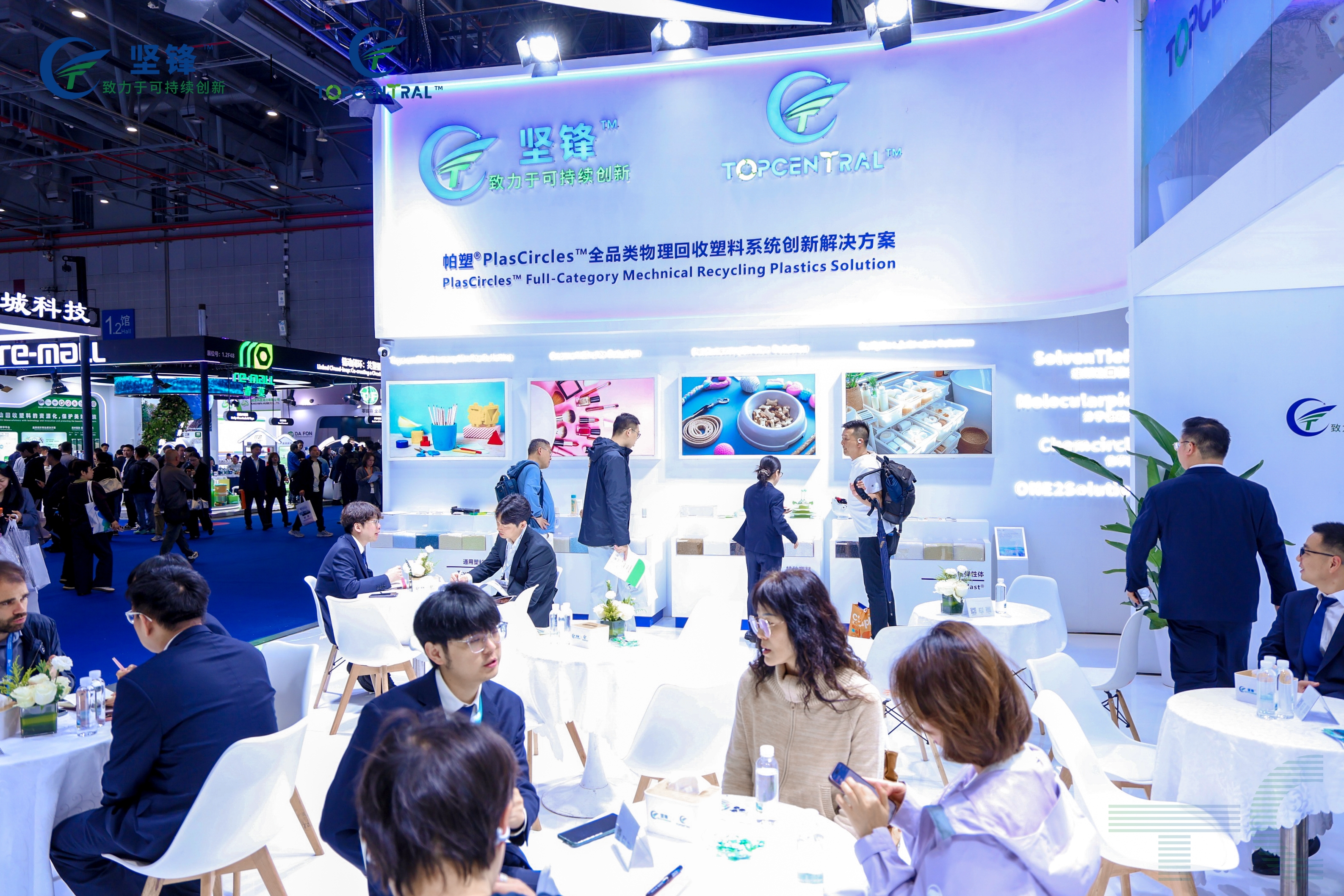
Traceability represents the next frontier in recycled materials management. Beyond simple certification, comprehensive traceability systems track materials from collection through processing to final application, creating unprecedented transparency in circular supply chains.
Modern traceability platforms integrate multiple technologies to create end-to-end visibility. Blockchain technology provides immutable records of material provenance, processing history, and chain-of-custody documentation. When combined with artificial intelligence and big data analytics, these systems can verify material composition, detect contamination, and predict performance characteristics with remarkable accuracy.
Location-based services (LBS) enable real-time tracking of material flows from collection points through recycling facilities to manufacturing locations. This geographic precision proves particularly valuable for ocean-bound plastic programs, where demonstrating coastal collection within specified distances from shorelines is essential for certification compliance.
Digital Product Passports: The Future of Material Transparency
The emerging concept of Digital Product Passports (DPP) represents a paradigm shift in how recycled materials are documented and verified. Each batch or product receives a unique digital identifier containing comprehensive lifecycle data including source material type, collection location, processing methods, quality test results, carbon footprint calculations, and certification documentation.
This digital infrastructure enables instant verification of recycled content claims, facilitating regulatory compliance and brand transparency commitments. For manufacturers, DPPs streamline supplier qualification processes and provide the documentation necessary to meet increasingly stringent extended producer responsibility (EPR) regulations.
Carbon Footprint Verification and Climate Impact
A critical dimension of PCR plastic certification involves quantifying and verifying carbon emission reductions. Recycled plastics typically demonstrate substantially lower carbon footprints compared to virgin alternatives, with emission reductions ranging from 50% to over 90% depending on material type and processing methods.
ISO 14064 and ISO 14067 standards provide frameworks for greenhouse gas accounting and carbon footprint verification at both organizational and product levels. Third-party certification bodies validate these calculations, enabling credible carbon neutrality claims. Some industry leaders have achieved dual carbon neutral certification, addressing emissions at both the organizational operations level and individual product level.
Advanced companies now offer carbon emission reduction up to 77.7% for recycled ABS and 91.8% for recycled polycarbonate compared to virgin resins, with third-party verification providing assurance to downstream customers and end consumers.
Industry-Specific Certification Requirements
Different industries impose unique certification requirements reflecting their specific performance and safety standards. The automotive sector demands IATF 16949 quality management system certification alongside material-specific validations for mechanical properties, thermal stability, and long-term durability. Recycled materials for automotive applications must demonstrate they can withstand demanding conditions while maintaining structural integrity.
Electronics and information technology equipment require compliance with RoHS (Restriction of Hazardous Substances) and REACH (Registration, Evaluation, Authorization and Restriction of Chemicals) regulations, ensuring recycled plastics contain no prohibited substances. Sony Green Partner Certification represents an industry gold standard, requiring comprehensive environmental and social responsibility documentation.
Food-contact applications demand FDA certification, confirming recycled materials meet strict purity and safety standards for packaging applications. These certifications often require extensive testing protocols and documentation of processing methods that eliminate contamination risks.
Implementing Effective Traceability Systems
Organizations seeking to implement comprehensive traceability for PCR plastics should consider several key elements. Upstream visibility begins at collection points, documenting waste sources, geographic origins, and material types. For ocean-bound plastics, this includes verification of collection within specified coastal zones using GPS coordinates and photographic documentation.
Processing transparency requires detailed records of sorting, cleaning, mechanical processing, and any chemical treatments applied. Quality control data including contamination levels, color consistency, mechanical properties, and chemical composition should be digitally captured and linked to specific material batches.
Downstream connectivity extends traceability through manufacturing and into final products. When recycled materials are incorporated into finished goods, the digital trail enables brands to make verified sustainability claims and respond to regulatory reporting requirements.
The Ningbo Topcentral New Material Approach
Ningbo Topcentral New Material Co., Ltd. exemplifies advanced implementation of PCR plastic certification and traceability. The company has developed proprietary platforms integrating blockchain, artificial intelligence, and big data analytics to create comprehensive material tracking capabilities.
Their TcBChain blockchain technology provides immutable traceability records from collection through high-value application. Each product receives a unique CarbonCode digital identifier powered by iDNAXx technology, creating what effectively serves as a Digital Product Passport for every material batch.
The company’s Back2Circle TraceBytes integrated innovation platform combines LBS positioning, IDectAI artificial intelligence, and BgDAT big data analytics to enable real-time visibility across their circular supply chains. This technological infrastructure supports their achievement of TUV Rheinland dual carbon neutral certification at both organizational and product levels since 2022.
Topcentral has secured multiple international certifications including GRS, ISCC PLUS, UL 2809, UL OBP, SCS Global, ISO 14064, and ISO 14067, demonstrating their materials meet the most stringent global standards. Their recycled product lines span general plastics, engineering plastics, and special engineering plastics, with PCR content ranging from 30% to 100% and verified carbon emission reductions up to 91.8%.
Strategic Implementation Recommendations
Organizations developing PCR plastic programs should prioritize certification and traceability from program inception rather than treating them as afterthoughts. Early investment in digital infrastructure, third-party certification partnerships, and supply chain visibility systems pays dividends in market access, brand reputation, and regulatory compliance.
Selecting certification frameworks should align with target markets and applications. Companies serving global markets benefit from pursuing multiple complementary certifications that address different stakeholder concerns. Partnerships with certification bodies and technology providers can accelerate implementation while ensuring best practices.
Conclusion
PCR plastic certification and traceability have evolved from optional enhancements to essential business requirements. As circular economy regulations expand and corporate sustainability commitments intensify, the ability to verify recycled content, demonstrate environmental benefits, and provide comprehensive material documentation will increasingly differentiate market leaders from followers. Companies that invest in robust certification and traceability infrastructure position themselves to capture growing demand for verified sustainable materials while meeting regulatory requirements and stakeholder expectations.
http://www.Topcentral.net
Ningbo Topcentral New Material Co., Ltd. -
AuthorPosts

- You must be logged in to reply to this topic.