
- This topic is empty.
-
AuthorPosts
-
2026-10-22 at 4:55 pm #13298
Understanding T2 Copper Wire and Its Role in Conductive Components
Buyers searching for the latest prices on T2 copper wire conductive parts are usually trying to solve two problems at once: confirming that the material meets electrical and mechanical requirements, and understanding how the quoted price is actually calculated. T2 belongs to the pure copper (tough-pitch copper) family, alongside T1 and T3, and is one of the most widely used grades for general-purpose processed materials and electrical conductive components. Because pure copper offers superior electrical and thermal conductivity, it is the standard choice for busbars, conductive parts, heat exchangers, and water/gas piping — with copper wire being one of the primary downstream product forms.
Grade Specification and Chemical Composition
Within the tough-pitch copper series, copper content decreases sequentially from T1 to T3. T1 requires a copper content of ≥99.95%, T2 requires ≥99.90%, and T3 requires ≥99.70%. T2 sits in the middle of this range, delivering a practical balance of purity and cost-efficiency that makes it suitable for general electrical conductive applications.
For buyers who need to cross-reference international standards, T2 corresponds to the ASTM grade C11000, which is defined as electrolytic tough-pitch copper with Cu ≥99.90%. This equivalence is useful when specifications from different standard systems need to be reconciled during procurement or quality verification. As a general identification rule, grade prefixes "T," "TU," and "TP" denote pure copper (tough-pitch, oxygen-free, and phosphorus-deoxidized copper respectively), while the ASTM "C1-series" typically indicates pure copper as well — helping confirm that T2 and C11000 refer to the same underlying material.
How T2 Copper Wire Conductive Parts Are Manufactured
Production Process Chain
Copper wire production follows the same overall process chain used across copper product manufacturing: raw material preparation, smelting and casting, hot working, cold working, heat treatment, and final inspection and packaging. Production begins with copper cathode (electrolytic copper) containing ≥99.95% copper content, with batching performed according to grade specifications; qualified scrap may be blended in where permitted. The material is then melted in induction or reverberatory furnaces and processed through continuous casting and rolling or ingot casting. Hot working follows, heating billets above the recrystallization temperature and hot rolling at approximately 800–950°C to break down as-cast dendrites, eliminate porosity, and refine grain structure.
Key Process Points for Copper Wire
For copper wire specifically, the process route is multi-pass wire drawing, followed by annealing, and then stranding or braiding as needed for the finished conductive part. Because cold working causes work hardening, annealing steps are applied between drawing passes to restore plasticity before further size reduction. The key control points for copper wire conductive parts are wire diameter tolerance, electrical conductivity, wire breakage rate during drawing, and flexibility of the finished wire. These parameters determine whether the wire performs reliably in its intended electrical application, whether as a conductor itself or as a component of copper braided wire and flexible connectors used in switchgear and transformer connections.
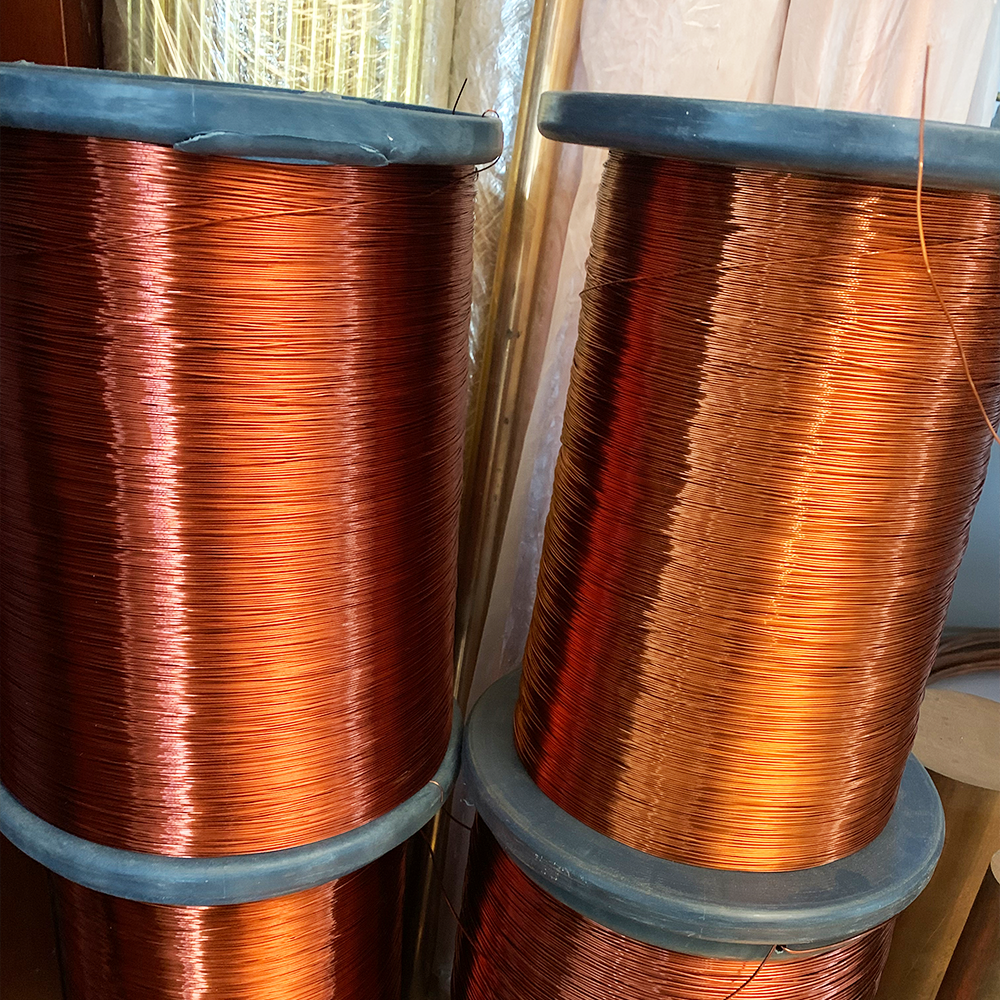
Temper Designations Relevant to T2 Copper Wire
Temper designation is another factor that affects both performance and price, since annealing parameters directly determine whether the final product is soft, half-hard, or hard, along with the resulting grain size. For T2 material, common temper designations include:
- T2M (Soft Temper): Fully annealed, offering high ductility and lower strength — suitable for bending, flaring, and deep drawing applications.
- T2Y2 (Half-Hard): Half-hardened through cold working, balancing strength and ductility with good structural support.
- T2Y (Hard Temper): Hardened through cold working, providing higher strength and rigidity but reduced formability.
Selecting the correct temper for a given conductive application is important, since it affects not only mechanical behavior but also how the wire will be processed downstream (e.g., stranding, braiding, or terminal crimping).
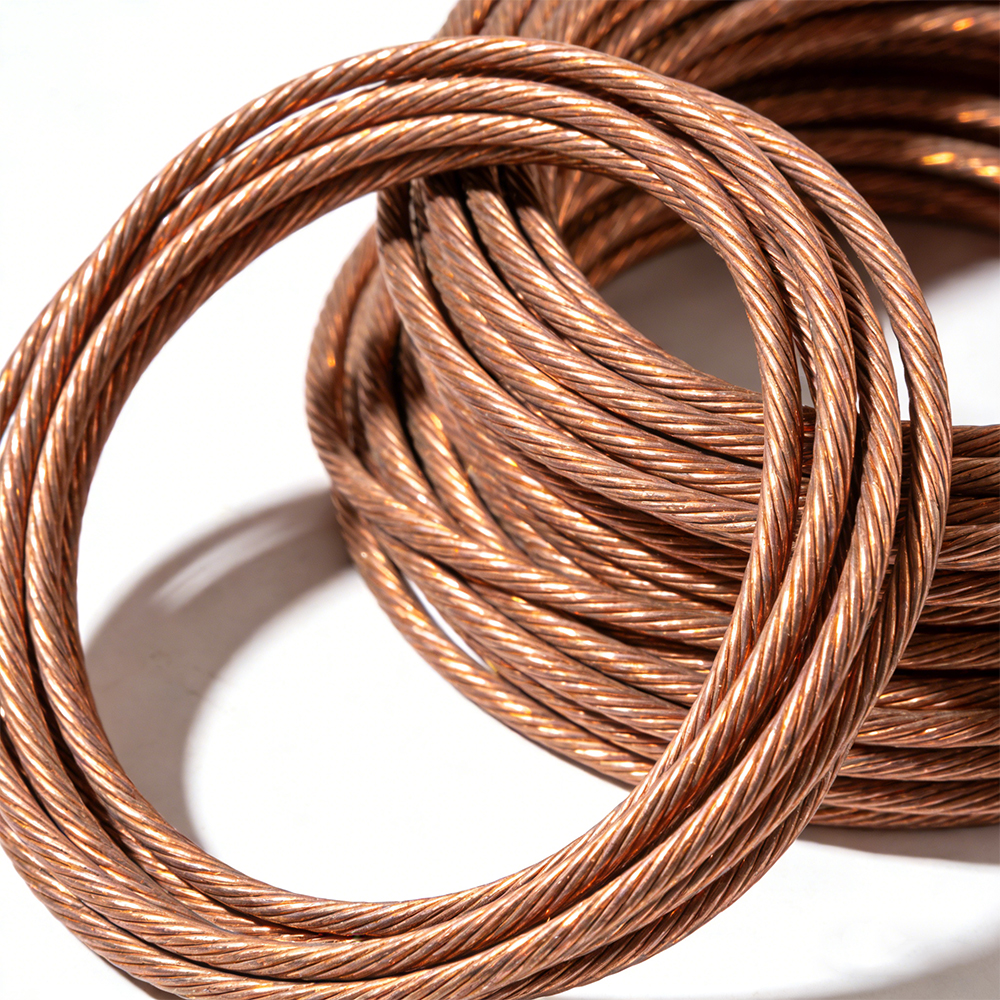
How Pricing Works for T2 Copper Wire Conductive Parts
A common point of confusion for buyers is why quoted prices for T2 copper wire and other copper products change on a daily basis. Copper products are priced using a floating model expressed as "LME/SHFE Copper Price + Processing Fee." This means the final quoted price tracks the prevailing London Metal Exchange or Shanghai Futures Exchange copper price, plus a processing fee tied to the specific grade, temper, and process route required. Because the underlying metal price fluctuates, the final price for a given order will vary depending on when pricing is confirmed. Suppliers working under this model can typically clarify the applicable pricing cycle and the method used to lock in a price (price-fixing) upon a buyer’s request, which allows procurement teams to manage cost exposure more predictably.
When requesting a quote for T2 copper wire conductive parts, it is advisable to specify the key elements needed to generate an accurate price: grade, temper, dimensional specification, and the applicable standard. Providing these details up front allows the processing fee component of the quote to be calculated correctly against the current metal price.
Quality Assurance and Documentation
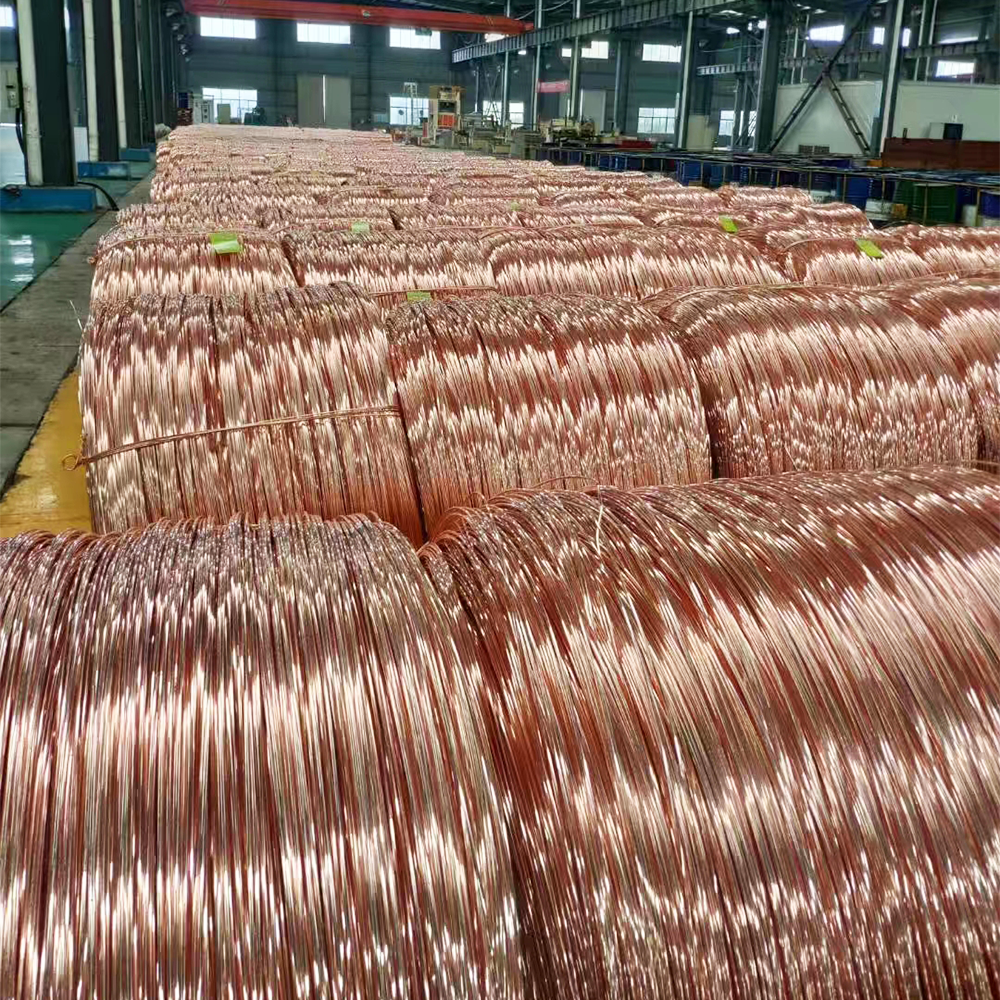
Because conductive parts are often used in applications where electrical performance and safety are critical, documentation matters as much as the quoted price. Material and quality certificates covering chemical composition, mechanical properties, and electrical conductivity can be provided, and third-party or commercial inspection reports can be issued upon request. Inspection for copper products generally covers chemical composition, mechanical properties, electrical conductivity, flaw detection, dimensions, and surface quality, with standard-compliant sampling and retained test reports prior to shipment. For buyers sourcing T2 copper wire for conductive parts, requesting these certificates alongside the quoted price helps confirm that the material meets the required specification before it enters production.
Why Choose Jiangsu Xinxiangsheng Special Steel Co., Ltd.
Jiangsu Xinxiangsheng Special Steel Co., Ltd., operating under the Xinxiangsheng Special Steel brand, works within this established copper production framework — from copper cathode sourcing through smelting, hot and cold working, heat treatment, and final inspection — to supply T2 copper wire and related conductive components. Jiangsu Xinxiangsheng Special Steel applies the standard quality control checkpoints described above, including chemical composition verification, electrical conductivity testing, and dimensional inspection, and can provide material certificates or arrange third-party inspection reports upon request.
Because pricing for T2 copper wire is tied directly to the LME/SHFE copper price plus a processing fee, buyers working with Jiangsu Xinxiangsheng Special Steel Co., Ltd. can request clarification on the current pricing cycle and available price-fixing methods before finalizing an order. Combined with grade identification support — including cross-referencing T2 against its ASTM equivalent C11000 — and guidance on selecting the appropriate temper (T2M, T2Y2, or T2Y) for a specific conductive application, this approach is designed to help buyers confirm specifications and pricing logic together, rather than evaluating price in isolation from the technical requirements of the part.
For procurement teams evaluating T2 copper wire conductive parts, the most efficient path is to confirm the grade and standard (T2 or C11000), specify the required temper and dimensional tolerance, and then request a current quote under the LME/SHFE-plus-processing-fee model from Jiangsu Xinxiangsheng Special Steel Co., Ltd., along with the relevant quality documentation needed for the intended application.
copper-xxs.com
Jiangsu Xinxiangsheng Special Steel Co., Ltd. -
AuthorPosts

- You must be logged in to reply to this topic.