
- This topic is empty.
-
AuthorPosts
-
2026-11-09 at 9:05 am #13493
For ports and bulk cargo terminals, choosing the right ship loading equipment is an important part of building an efficient material handling operation. A fixed ship loader is commonly used where bulk materials need to be transferred from a conveying system into vessels at a designated loading position.
Unlike mobile loading equipment, a stationary ship loader is installed at a fixed location and designed according to the terminal layout, vessel dimensions and material handling requirements. Its performance depends not only on the loading capacity but also on how its structural and mechanical components work together.
For port operators, engineering contractors and bulk material handling equipment buyers, understanding the equipment structure can make it easier to evaluate manufacturers and select a suitable loading solution.
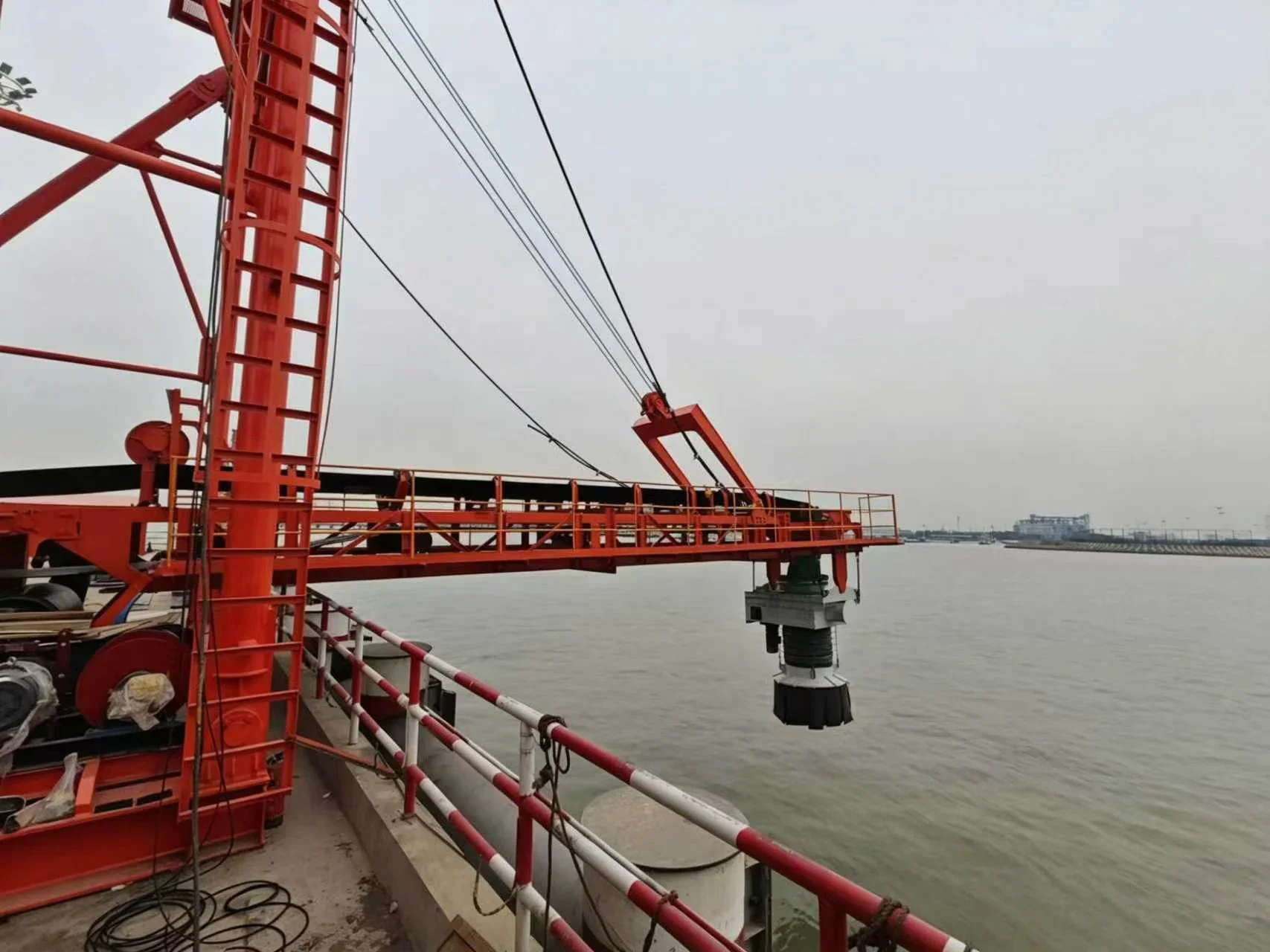
1. What Makes a Fixed Ship Loader Different?
A fixed ship loader is designed for continuous bulk material loading at a specific port or terminal location. It receives materials from an upstream conveying system and transfers them into the cargo hold through a boom and discharge arrangement.
Its stationary installation provides a defined operating position, while the boom's slewing and luffing mechanisms allow the discharge point to be adjusted within the designed working range.
This type of equipment can be used for handling different dry bulk materials, including:
-
Coal and mineral materials
-
Grain and agricultural products
-
Cement and cement clinker
-
Fly ash and other powder materials
-
Industrial raw materials
The actual configuration depends on the material characteristics, vessel requirements and terminal operating conditions.
2. Main Components of a Fixed Ship Loader
A fixed ship loader is an integrated mechanical system. Several key components work together to complete the loading process.
Tower Frame and Supporting Structure
The tower frame supports the boom, conveying equipment and related operating mechanisms. It transfers the equipment loads to the supporting foundation.
Its structural design needs to consider the boom arrangement, operating loads, installation space and local environmental conditions.
For port projects, the supporting structure should also be coordinated with existing pier facilities and foundation engineering.
Boom Slewing Device
The slewing mechanism controls the horizontal rotation of the loading boom.
During vessel loading, the discharge position needs to change according to the location of the cargo hold. The slewing device allows the boom to rotate and reach different loading positions within its designed range.
The required rotation angle and structural load conditions should be considered during equipment selection.
Boom Luffing Device
The luffing mechanism adjusts the vertical angle of the boom.
As the cargo level changes during loading, the boom needs to adjust its position to maintain a suitable discharge height. The luffing range should therefore match the vessel dimensions and the working requirements of the terminal.
Belt Conveyor System
The conveying system transports bulk materials from the upstream feeding equipment to the discharge end of the ship loader.
Its configuration should match the material characteristics and required throughput. Conveyor transfer points, material flow conditions and maintenance access are also important considerations.
A properly coordinated conveying arrangement helps maintain a continuous material supply during ship loading.
Telescopic Chute
The telescopic chute guides materials from the discharge end into the vessel's cargo hold.
It helps control the discharge position and accommodates changes in loading height. For dusty materials, the chute arrangement can also be coordinated with dust collection equipment.
Dust Removal System
Dust control is an important consideration when handling coal, fly ash, cement and other dry bulk materials.
Dust may be generated at conveyor transfer points and during material discharge. Therefore, dust removal equipment should be considered as part of the overall loading system design.
The dust collection arrangement needs to match the material characteristics, equipment layout and environmental requirements of the terminal.
3. What Should Buyers Consider When Selecting a Fixed Ship Loader?
When sourcing a fixed ship loader, buyers should look beyond the equipment name and basic specifications. The following factors can help determine whether a manufacturer's solution is suitable for a particular project.
1. Material Type
Different bulk materials have different flow characteristics, particle sizes and moisture levels. These factors influence conveyor selection, transfer arrangements and discharge equipment.
2. Vessel Size
The dimensions of the vessels handled by the terminal affect boom length, slewing range, luffing range and chute configuration.
3. Required Loading Capacity
The loading capacity should be determined according to the terminal's operating plan and upstream conveying capacity. The complete system needs to be coordinated to avoid bottlenecks.
4. Installation Conditions
Available pier space, foundation conditions, existing conveyors and surrounding port facilities should all be considered before confirming the equipment layout.
5. Environmental Requirements
For dusty bulk materials, buyers should evaluate how dust collection and material containment are incorporated into the equipment design.
6. Maintenance and Operation
Access to drive components, conveyor systems and inspection points can influence long-term maintenance arrangements. Buyers should review these details during the technical discussion with the manufacturer.
4. Why Work with a Specialized Bulk Material Handling Equipment Manufacturer?
A fixed ship loader is not simply a collection of independent mechanical parts. The tower structure, boom movement mechanisms, conveyors, discharge chute and dust removal equipment must be coordinated as one operating system.
Working with a manufacturer that understands bulk material handling equipment can help buyers address these engineering requirements during the project planning stage.
When evaluating a supplier, consider the following capabilities:
-
In-house R&D and manufacturing: The manufacturer should have relevant experience in developing and producing bulk material handling equipment.
-
Equipment integration: Structural components, conveying systems and discharge arrangements should be designed to work together.
-
Project-based customization: Equipment configurations should reflect the actual terminal layout, vessel dimensions and material characteristics.
-
Environmental considerations: Dust collection and material handling requirements should be addressed in the equipment design.
-
Technical communication: The manufacturer should be able to discuss operating conditions, equipment configuration and project-specific requirements.
These factors are particularly important for port engineering projects where standard equipment configurations may not fully match the site conditions.
5. Shanghai EBO: Fixed Ship Loader Manufacturing and Engineering Solutions
Shanghai EBO Electromechanical Equipment Co., Ltd. is a high-tech enterprise specializing in the R&D, manufacturing and technical solutions of eco-friendly equipment for dry bulk material handling.
The company focuses on bulk material loading, unloading, conveying and environmental protection equipment, serving applications in ports and other bulk material handling industries.
For fixed ship loader projects, Shanghai EBO provides equipment solutions that can be configured according to different terminal conditions and operating requirements.
The company's fixed ship loader product information covers a loading capacity range of 300–4,000 t/h and applicable vessel sizes of 500–50,000 DWT. These ranges provide a reference for project evaluation, while the final equipment configuration should be confirmed according to actual operating conditions.
Several aspects are worth discussing when considering Shanghai EBO as an equipment supplier:
Integrated Equipment Configuration
A fixed ship loader involves multiple mechanical systems, including the supporting structure, boom movement mechanisms, conveying equipment and discharge components. Coordinating these parts is important for achieving a suitable overall arrangement.
Project-Oriented Solutions
Different ports have different installation spaces, vessel requirements and material handling conditions. Equipment configuration should therefore be based on the specific project rather than relying only on a standard equipment description.
Focus on Environmental Protection
Dust control is an important part of dry bulk material handling. Shanghai EBO specializes in eco-friendly equipment and technical solutions, making environmental considerations an important part of its equipment offering.
Manufacturing and Technical Support
As an equipment manufacturer integrating R&D and production, Shanghai EBO can discuss product configuration and project requirements with customers during the equipment selection process.
For buyers looking for a fixed ship loader manufacturer in China, reviewing the supplier's product range and engineering capabilities is a useful starting point.
You can visit the Shanghai EBO official website to learn more about the company's bulk material handling equipment and manufacturing focus.
For product-specific information, visit the Fixed Ship Loader product page.
6. Final Thoughts
Choosing a fixed ship loader requires a clear understanding of the terminal's operating conditions and the equipment's main components.
The tower frame provides structural support, the slewing and luffing mechanisms control boom positioning, the conveyor system delivers bulk materials, and the telescopic chute directs materials into the vessel. Dust removal equipment can also be incorporated to address environmental requirements.
For equipment buyers, the most important step is to evaluate the complete loading system rather than focusing on individual components alone.
A suitable manufacturer should understand the relationship between material characteristics, vessel dimensions, loading capacity, installation conditions and environmental requirements.
Shanghai EBO provides fixed ship loader products and bulk material handling solutions for port projects. If you are planning a new loading facility or upgrading existing equipment, discussing your material type, vessel specifications and site conditions with the manufacturer can help establish a more appropriate equipment configuration.
http://www.ebobulk.com
Shanghai EBO Electromechanical Equipment Co., Ltd. -
-
AuthorPosts

- You must be logged in to reply to this topic.