
- This topic is empty.
-
AuthorPosts
-
2026-03-16 at 4:34 pm #11472
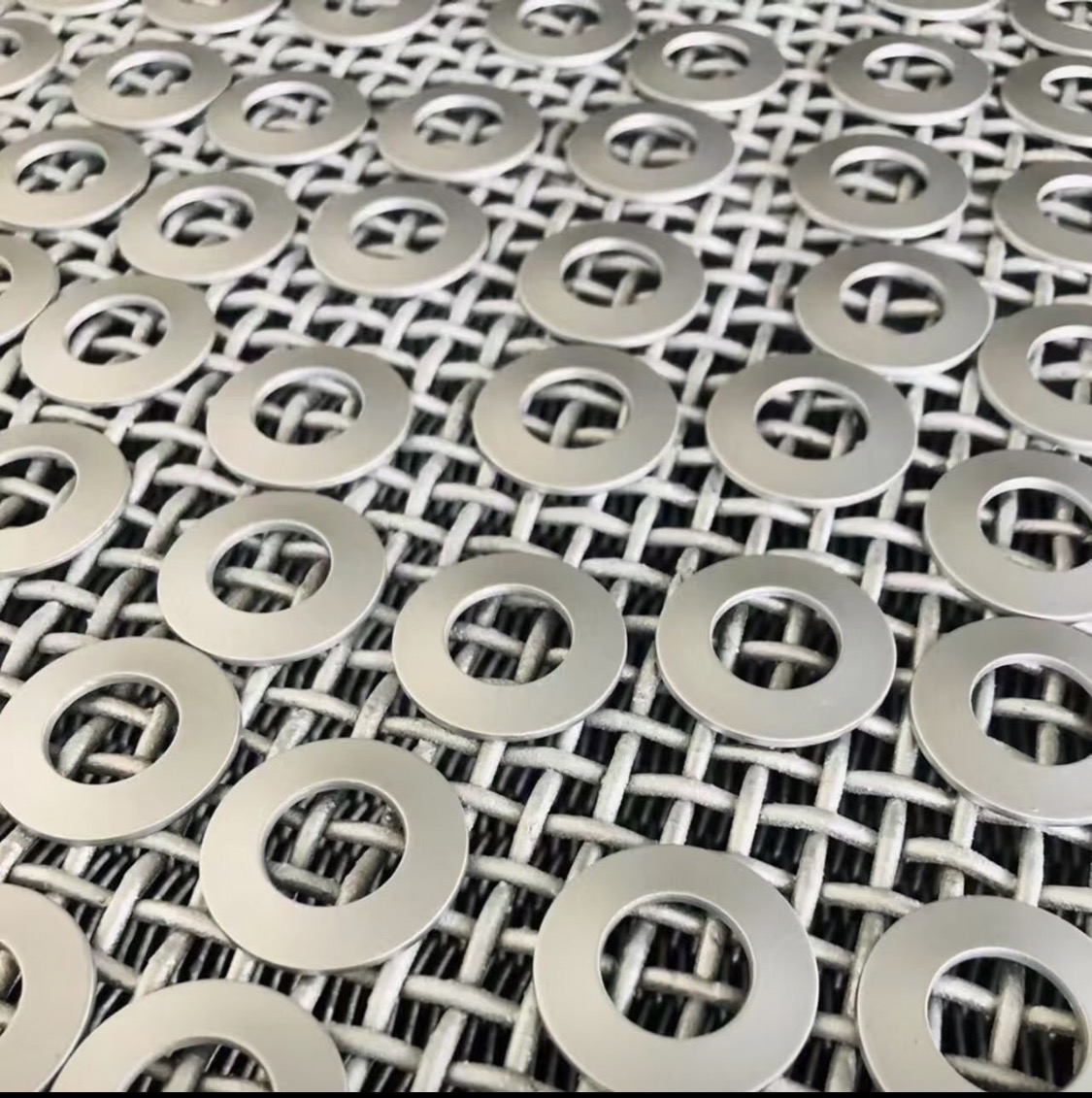
Zinc-chromium coating, also known as DACROMAT, is a process that uses methods such as immersion and coating to apply a corrosion-resistant metal layer to the surface of a workpiece. After special treatment, a zinc-aluminum metal coating containing chromium is formed. This process does not require acid pickling, produces no large amounts of acidic, chromium, or zinc wastewater, and generates no wastewater during the entire process, making it an environmentally friendly, clean production technology. It can replace traditional zinc electroplating, zinc-based alloys, hot-dip galvanizing, thermal spray zinc, and mechanical zinc plating for steel components, including disc springs.
Compared to traditional electroplating zinc, DACROMAT offers a corrosion resistance that is 7 to 10 times better, with no hydrogen embrittlement, making it particularly suitable for high-strength components like disc springs. Disc springs, which are typically used in high-stress environments, benefit significantly from DACROMAT’s enhanced corrosion resistance. Additionally, DACROMAT provides high heat resistance, withstanding temperatures up to 300°C, making it ideal for high-strength components in automotive and motorcycle engine parts, as well as disc springs used in mechanical systems under harsh conditions. Additional benefits include high permeability, high adhesion, reduced friction, high weather resistance, high chemical stability, and pollution-free characteristics. The DACROMAT technology can be applied to materials including steel products and non-ferrous metals such as aluminum, magnesium, their alloys, copper, nickel, zinc, and their alloys, all of which are suitable for disc springs.
4.2.2 Structure and Process of Zinc-Chromium Coating
(1) Structure and Rust Prevention Mechanism of DACROMAT Coating
Structure of DACROMAT Coating:
On the surface of ferrous metal, a coating is applied using a DACROMAT solution containing flake zinc, aluminum, Cr₂O₃, and special organic compounds in a high-dispersion aqueous solution. After baking at around 300°C for a specific time, hexavalent chromium in the solution is reduced to trivalent chromium, forming an amorphous composite chromium salt compound (mCrO₃·nCr₂O₃). This compound adheres tightly to the surface of the base material as well as to the zinc and aluminum flakes. The zinc and aluminum flakes are also filled with the composite chromium salts. After cooling, the metal surface is covered with a thin silver-gray DACROMAT special high-corrosion-resistant coating, as shown in Figure 6-4. The zinc and aluminum particles in the DACROMAT solution generally measure 0.1-0.2 μm × 10 μm, with flakes over 15 μm in size. This high-quality coating can significantly extend the lifespan of disc springs in corrosive environments.Rust Prevention Mechanism of DACROMAT Coating:
DACROMAT is a new metal rust prevention system. Its rust prevention mechanism mainly involves:Controlled electrochemical protection by zinc for the substrate,
Passivation by chromium acid,
Mechanical shielding protection from the zinc flakes, aluminum flakes, and composite chromium salt coating,
Aluminum inhibiting the "dissolution" of zinc. These properties are especially beneficial for disc springs that are exposed to environmental factors like moisture and chemicals.
(2) Process of DACROMAT Coating Treatment
The DACROMAT treatment process involves the following steps:
Degreasing:
Workpieces with oil must be degreased. There are three common methods: organic solvent degreasing, water-based degreasing agents, and high-temperature carbonization degreasing. Proper degreasing is critical to the adhesion and corrosion resistance of the coating, especially for precision components like disc springs.Rust Removal and Burr Removal:
Workpieces with rust or burrs must undergo a rust removal and deburring process. It is best to use mechanical methods to avoid acid pickling, as acid pickling can lead to hydrogen embrittlement and negatively affect the corrosion resistance of the DACROMAT coating.Coating:
Cleaned workpieces must be immediately coated via immersion, brushing, or spraying. During this step, the coating's density, pH, viscosity, Cr⁶+ content, temperature, and flow conditions directly impact the coating effect and its properties. Therefore, the temperature, solution parameters, and centrifugation speed should be adjusted appropriately to ensure uniform coverage on disc springs.Preheating:
Workpieces with wet DACROMAT film must be preheated at 120±20°C for 10-15 minutes (depending on the workpiece's heat absorption capacity) to evaporate the water from the coating.Sintering:
After preheating, the workpieces must be sintered at approximately 300°C for 20-40 minutes (time adjusted based on the workpiece's heat absorption). The temperature can also be increased to shorten sintering time. This ensures that disc springs receive a uniform and durable coating.Cooling:
After sintering, workpieces must be thoroughly cooled before further processing or inspection. This final step ensures that disc springs maintain their shape and structural integrity after the treatment process.Due to differences in zinc-aluminum coating solutions provided by different suppliers, the temperature, time, and other process parameters for each step may vary. The actual process parameters should be verified through testing based on the quality standards for the coating and the information provided by the coating solution supplier.
http://www.raleigh-springs.com
Raleigh Spring Technology Co., Ltd. -
AuthorPosts

- You must be logged in to reply to this topic.