
- This topic is empty.
-
AuthorPosts
-
2026-03-16 at 11:37 am #11465
High-viscosity fluids, including heavy oils, syrups, polymer solutions, and other thick chemical liquids, present unique operational challenges in industrial processes. Managing these fluids safely and efficiently requires specialized systems to control flow, prevent blockages, and avoid operator error. One critical technology that enhances both safety and reliability is the valve interlock system. These systems enforce operational sequences, ensuring that valves are opened and closed in the correct order, which is especially vital for high-viscosity fluid handling.
Understanding High-Viscosity Fluid Challenges
High-viscosity fluids behave very differently from low-viscosity liquids like water. Their resistance to flow creates several challenges in industrial environments:
-
Slow Flow and Pressure Build-Up
High-viscosity fluids require more force to move through pipelines, which can lead to pressure imbalances if valves are operated incorrectly. Rapidly opening or closing valves can cause sudden surges, leading to equipment stress or leakage. -
Blockages and Line Plugging
Thick fluids are prone to sticking inside pipes and valves. If operators close a valve prematurely or open multiple valves out of sequence, it can trap fluid and block lines, causing downtime and potential equipment damage. -
Cleaning and Maintenance Difficulties
High-viscosity fluids tend to adhere to valve surfaces, creating challenges during cleaning and maintenance. Improper handling can leave residues that compromise both safety and operational efficiency. -
Increased Human Error Risk
Manual operations with high-viscosity fluids require precise timing and force. Without guidance, operators may misjudge sequences, inadvertently causing overpressure, spills, or cross-contamination.
Because of these challenges, valve interlock systems play a critical role in ensuring the safe and efficient operation of high-viscosity fluid systems.
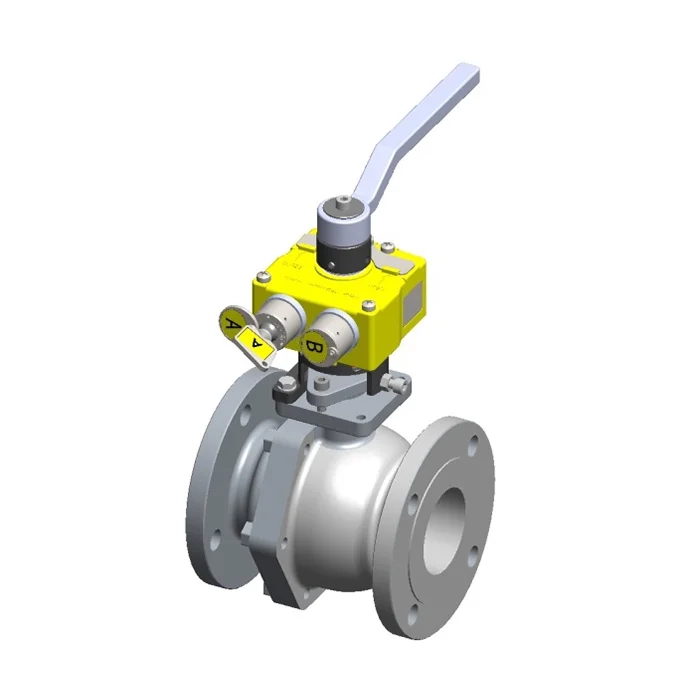
Role of Valve Interlock Systems
Valve interlock systems are mechanical or electronic devices designed to enforce a predetermined operational sequence. They prevent valves from being opened or closed out of order, which is especially important in high-viscosity fluid applications. For example:
-
Ensuring that upstream isolation valves are fully closed before downstream valves are opened to prevent sudden pressure surges.
-
Requiring sequential operation of multiple pumps or heating systems to maintain optimal fluid viscosity during flow.
-
Preventing simultaneous operation of conflicting valves that could lead to line blockages or fluid backflow.
In high-viscosity applications, mechanical valve interlocks offer reliability and simplicity. Since they do not rely on electronics or sensors, they function effectively even in environments with high temperature, vibration, or potential corrosion. By physically restricting valve movement until the correct conditions are met, these systems enforce safe operational logic consistently.
Challenges of Implementing Valve Interlocks for High-Viscosity Fluids
While valve interlocks are highly beneficial, implementing them for high-viscosity fluid systems involves specific challenges:
1. Increased Actuation Force
High-viscosity fluids require greater torque to operate valves. Standard interlocks may not accommodate the higher forces, which can make valve operation difficult or lead to mechanical wear. Solutions include designing interlocks with reinforced mechanisms and low-friction components to handle increased torque demands.
2. Customized Operational Logic
Fluid systems with multiple pumps, heaters, and pressure zones may have complex operational sequences. Off-the-shelf interlock systems might not provide sufficient flexibility. Custom interlock solutions allow engineers to design sequences tailored to specific piping layouts, ensuring that high-viscosity fluids flow safely without creating pressure surges or blockages.
3. Material Selection
High-viscosity fluids can be chemically aggressive or sticky. Interlock components must resist corrosion, abrasion, and fouling. Materials such as stainless steel, marine-grade alloys, or coated metals are commonly used to maintain durability and long-term performance.
4. Maintenance Accessibility
Thick fluids can cause residue buildup on valves and interlock mechanisms. Designing interlocks that allow easy inspection, cleaning, and replacement without shutting down entire systems is essential. Modular designs and removable components can significantly reduce maintenance downtime.
5. Environmental Conditions
High-viscosity fluid operations often occur in challenging environments, including offshore platforms, chemical plants, and food processing facilities. Interlocks must withstand temperature extremes, humidity, and vibration without compromising performance.
Solutions and Best Practices
To overcome these challenges, the following solutions are recommended when designing and implementing valve interlock systems for high-viscosity fluids:
1. Mechanical Reinforcement
Interlocks should be engineered to handle the extra torque required for thick fluids. Using reinforced locking bars, durable actuators, and low-friction bearings ensures smooth operation even under heavy loads. This approach reduces operator fatigue and prolongs system life.
2. Customizable Logic and Modular Design
Complex piping networks often require custom interlock sequences. Modular interlock systems allow engineers to adjust logic as system requirements evolve, ensuring that valves operate in a safe, precise sequence at all times. This flexibility is especially valuable in facilities with multiple product lines or varying fluid properties.
3. Material Optimization
Selecting corrosion-resistant and non-stick materials for both valves and interlock mechanisms is critical. For example, stainless steel or coated alloys can resist chemical attack and prevent residue buildup, minimizing maintenance challenges and downtime.
4. Operator Training and Standard Procedures
Even with mechanical interlocks, operators must be trained to understand the system’s sequence logic. Clear operating procedures reduce misuse and ensure that interlocks perform as intended. Training should include both normal operation and emergency shutdown scenarios.
5. Preventive Maintenance Programs
Regular inspections and cleaning schedules prevent residue accumulation and identify mechanical wear before failures occur. For high-viscosity fluids, incorporating interlock checks into routine valve maintenance ensures reliable operation and extends equipment lifespan.
6. Integration with Safety Systems
Interlocks can be combined with pressure sensors, flow monitors, and alarm systems to enhance safety. While mechanical interlocks provide physical enforcement, monitoring systems provide real-time feedback, allowing operators to respond to abnormal conditions promptly.
Case Applications
Several industries benefit from valve interlock systems for high-viscosity fluids:
-
Petrochemical and Oil Refining: Heavy oils and bitumen require precise valve sequencing to prevent overpressure and line blockages during heating and transfer operations.
-
Food and Beverage Processing: Syrups, chocolate, and other viscous food products need controlled flow sequences to maintain quality and prevent equipment fouling.
-
Polymer and Resin Manufacturing: High-viscosity resins require careful heating, pumping, and mixing. Interlocks ensure valves open in the correct order to prevent cross-contamination or blockage.
In all these scenarios, customized interlock solutions enhance operational safety, reduce downtime, and improve overall process efficiency.
Conclusion
Handling high-viscosity fluids presents unique challenges in industrial operations, including slow flow, pressure surges, blockages, and increased human error risk. Valve interlock systems—especially mechanically enforced designs—play a crucial role in mitigating these risks. By enforcing safe operational sequences, accommodating high actuation forces, and using durable materials, interlocks ensure reliable and safe handling of thick fluids.
For industries dealing with heavy oils, syrups, polymers, or other high-viscosity materials, investing in custom valve interlock systems is not just a regulatory or safety requirement—it is a strategic step toward operational efficiency, equipment longevity, and personnel protection. Proper design, material selection, modular logic, and operator training combine to create a system capable of performing reliably under the most challenging conditions.
http://www.nudango.com
nudango -
-
AuthorPosts

- You must be logged in to reply to this topic.